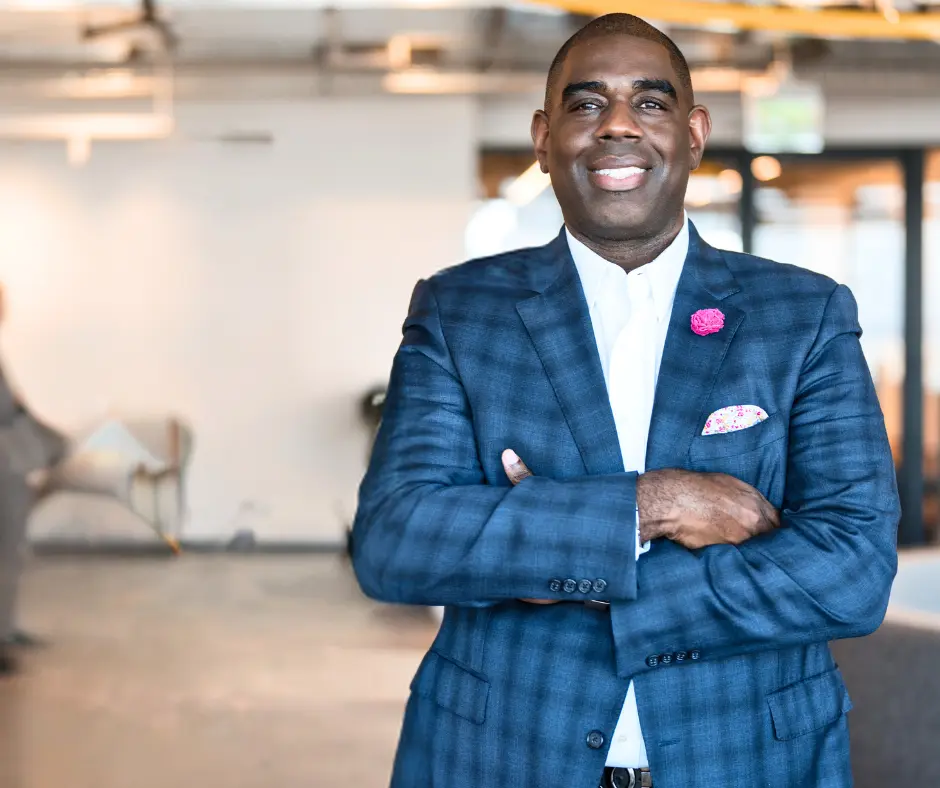
Navigate M&A Challenges: The Executive's Guide to Leadership
Leading Through the Storm: The Executive's Guide to M&A Leadership and Cultural Integration

Navigating the complexities of mergers and acquisitions (M&A) requires a unique blend of strategic foresight and cultural sensitivity. Executives must not only manage the financial and operational aspects of M&A but also address the human elements that can significantly impact success. This article delves into the essential strategies for effective M&A leadership, focusing on the integration of organizational culture and the challenges executives face during this transformative process. Readers will gain insights into the key challenges of M&A, effective integration strategies, and the importance of emotional intelligence in fostering a cohesive workplace culture. By understanding these dynamics, executives can lead their organizations through the storm of M&A with confidence and clarity.
Key Takeaways
- Effective M&A leadership requires balancing strategic decisions with cultural integration to ensure long-term success.
- Organizational culture alignment is critical to prevent resistance and promote employee engagement during mergers.
- Resilient leadership involves open communication, adaptability, and fostering a collaborative workplace culture.
- Change management frameworks like ADKAR and Kotter’s model support structured and successful M&A transitions.
- Emotional intelligence enhances leaders’ ability to build trust and manage conflicts during cultural integration.
- Agile leadership and digital transformation improve flexibility and efficiency in modern M&A processes.
- Transparent communication strategies increase stakeholder buy-in and address employee concerns effectively.
- Key performance indicators such as employee engagement and cultural alignment measure M&A leadership effectiveness.
- Continuous feedback and regular assessments enable ongoing improvement post-merger for sustained organizational success.
What Are the Key Challenges Executives Face in Mergers and Acquisitions?
Mergers and acquisitions present a myriad of challenges that can complicate leadership decisions. These challenges often stem from the complexities of integrating different organizational cultures, aligning strategic goals, and managing employee expectations. The impact of these challenges on leadership decisions can be profound, influencing everything from communication strategies to the overall direction of the merged entity.
How Do Merger and Acquisition Challenges Impact Leadership Decisions?
Leadership decisions during M&A are often made under significant pressure, requiring executives to adapt their styles and approaches. The need for decisive action can lead to a focus on short-term results, sometimes at the expense of long-term cultural integration. Effective leaders must balance the urgency of operational integration with the necessity of fostering a unified organizational culture. This balancing act often involves transparent communication strategies that address employee concerns and promote a shared vision for the future.
What Role Does Organizational Culture Play in M&A Success?
Organizational culture plays a critical role in the success of mergers and acquisitions. A strong cultural fit between merging organizations can enhance employee morale and facilitate smoother integration processes. Conversely, cultural misalignment can lead to resistance, decreased productivity, and ultimately, failure of the merger. Executives must prioritize cultural alignment strategies, ensuring that the values and practices of both organizations are harmonized to create a cohesive work environment.
Which M&A Integration Strategies Drive Effective Executive Leadership?
Effective integration strategies are essential for successful M&A leadership. These strategies not only streamline operational processes but also foster a sense of belonging among employees from both organizations. By implementing best practices for integration, executives can enhance their leadership effectiveness and drive positive outcomes.
How Can Executives Develop Resilient Leadership During Integration?
Developing resilient leadership during integration involves cultivating a growth mindset and setting clear goals. Executives should focus on fostering open communication, encouraging feedback, and being adaptable to change. This resilience not only helps leaders navigate the complexities of M&A but also inspires confidence among employees, promoting a culture of collaboration and innovation.
What Are Proven Frameworks for Post-Merger Integration Success?
Several frameworks can guide executives in achieving post-merger integration success. The ADKAR model, for instance, emphasizes awareness, desire, knowledge, ability, and reinforcement as key components of change management. Similarly, Kotter’s 8-step model provides a structured approach to leading change, while Lewin’s change model focuses on unfreezing, changing, and refreezing organizational behaviors. By leveraging these frameworks, executives can enhance their leadership effectiveness and ensure a smoother transition during M&A.
How Can Cultural Integration Be Successfully Managed Post Merger?
Managing cultural integration post-merger is crucial for long-term success. Executives must be proactive in addressing cultural differences and fostering an inclusive environment that values diversity. This involves not only recognizing the unique aspects of each organization’s culture but also implementing strategies that promote alignment and collaboration.
What Are Best Practices for Cultural Due Diligence and Alignment?
Cultural due diligence is a vital step in the M&A process. Best practices include assessing cultural compatibility through surveys and interviews, engaging employees in the integration process, and establishing continuous feedback mechanisms. By prioritizing cultural alignment, executives can mitigate potential conflicts and enhance employee engagement.
How Does Emotional Intelligence Influence Cultural Integration?
Emotional intelligence plays a significant role in cultural integration during M&A. Leaders with high emotional intelligence can build trust, facilitate effective communication, and resolve conflicts more efficiently. By understanding and managing their own emotions, as well as those of their team members, executives can create a supportive environment that fosters collaboration and unity.
Which Leadership Styles Are Most Effective During M&A Processes?
Different leadership styles can significantly impact the success of M&A processes. Transformational leadership, for instance, encourages innovation and inspires employees to embrace change. Situational leadership allows executives to adapt their approach based on the specific needs of their teams, while servant leadership emphasizes the importance of serving others and prioritizing employee well-being.
How Do Different Leadership Approaches Affect Employee Engagement?
Leadership approaches directly influence employee engagement during M&A. Transformational leaders often foster a sense of purpose and motivation, while situational leaders can effectively address the varying needs of their teams. By employing a combination of these styles, executives can enhance engagement and create a more resilient workforce.
What Traits Define Successful M&A Leadership?
Successful M&A leadership is characterized by several key traits, including adaptability, visionary thinking, and empathy. Executives who can navigate the complexities of M&A with a clear vision and an understanding of their employees' needs are more likely to achieve successful outcomes. These traits enable leaders to inspire confidence and foster a culture of collaboration.
Further research underscores the critical link between effective leadership and the financial success of M&A activities.
M&A Leadership & Value Creation Strategies
This study examines how leadership influences value creation in cross-border mergers and acquisitions by analysing capital market reactions to Microsoft’s international acquisition announcements. Positioned at the intersection of finance, international business, and leadership studies, the paper investigates whether leadership-driven strategic coherence shapes investor perceptions of cross-border M&A outcomes.
Leadership-Driven Value Creation in Cross-Border Mergers and Acquisitions: Event Study Evidence from Microsoft, 2026
What Change Management Frameworks Support Executives in M&A Transitions?
Change management frameworks are essential for guiding executives through M&A transitions. These frameworks provide structured approaches to managing change, ensuring that all aspects of the integration process are addressed effectively.
How Can Change Management Models Be Applied to M&A Integration?
Applying change management models to M&A integration involves implementing structured processes that facilitate smooth transitions. For example, the ADKAR model can help leaders communicate the need for change, while Kotter’s model provides a roadmap for engaging employees throughout the integration process. By utilizing these models, executives can enhance their leadership effectiveness and drive successful outcomes.
What Tools Help Leaders Navigate Organizational Change?
Leaders can leverage various tools to navigate organizational change effectively. These tools include communication platforms, project management software, and employee engagement surveys. By utilizing these resources, executives can streamline the integration process and ensure that all stakeholders are informed and engaged.
How Should Executives Communicate and Engage Stakeholders During M&A?
Effective communication is crucial for engaging stakeholders during M&A. Executives must develop strategies that promote transparency and build trust among employees, investors, and other stakeholders.
What Communication Strategies Enhance Stakeholder Buy-In?
To enhance stakeholder buy-in, executives should focus on building trust through transparent communication. This involves sharing information about the merger's goals, addressing concerns, and involving stakeholders in the decision-making process. By fostering open dialogue, leaders can create a sense of ownership and commitment among stakeholders.
How Can Leaders Address Common Concerns Through Effective Messaging?
Addressing common concerns through effective messaging is essential for maintaining morale during M&A. Executives should acknowledge employee fears and uncertainties while providing support resources and creating safe spaces for dialogue. This approach not only alleviates anxiety but also fosters a culture of trust and collaboration.
What Are Recent Trends in Executive Leadership for M&A Success?
Recent trends in executive leadership for M&A success highlight the importance of agility and digital transformation. As the business landscape evolves, leaders must adapt their strategies to remain competitive and drive successful outcomes.
How Does Agile Leadership Influence M&A Outcomes?
Agile leadership influences M&A outcomes by promoting flexibility in decision-making and rapid responses to changes. This approach enables executives to navigate the complexities of M&A with greater ease, fostering a culture of innovation and collaboration among teams.
What Role Does Digital Transformation Play in Modern M&A Leadership?
Digital transformation plays a pivotal role in modern M&A leadership. By leveraging technology and data-driven decision-making, executives can enhance communication, streamline processes, and improve overall integration outcomes. Embracing digital tools allows leaders to stay ahead of the curve and drive successful M&A initiatives.
How Can Executives Measure and Monitor M&A Leadership Effectiveness?
Measuring and monitoring M&A leadership effectiveness is crucial for ensuring successful integration. Executives must establish key performance indicators (KPIs) that reflect the success of integration and cultural alignment.
Which KPIs Reflect Successful Integration and Cultural Alignment?
Key performance indicators for measuring successful integration and cultural alignment include employee engagement metrics, cultural alignment indicators, and integration success rates. By tracking these KPIs, executives can assess the effectiveness of their leadership strategies and make necessary adjustments.
How Can Continuous Improvement Be Achieved Post-Merger?
Continuous improvement post-merger can be achieved through regular assessments and feedback loops. Executives should prioritize ongoing evaluation of integration processes and employee satisfaction to identify areas for enhancement. By fostering a culture of continuous improvement, leaders can ensure long-term success and adaptability in a dynamic business environment.
To further enhance your leadership skills and navigate these challenges effectively, consider exploring resources like VIP Transformation Coaching, which offers tailored strategies for executive development.
Conclusion
Effective M&A leadership hinges on the integration of strategic foresight and cultural sensitivity, ensuring long-term success for organizations. By prioritizing emotional intelligence and transparent communication, executives can foster a cohesive workplace culture that enhances employee engagement. Embrace the opportunity to refine your leadership skills and navigate M&A challenges with confidence. Discover tailored strategies for executive development by exploring resources like VIP Transformation Coaching today.
About the Author: Lee Johnson, Master Certified Coach
Lee Johnson is a Master Certified Coach, serial entrepreneur, and active real estate investor based in Sterling, VA, in the heart of the DC metro area. With over 20 years of professional experience and more than 500 coaching sessions delivered, Lee has helped over 200 mid-career professionals break through income ceilings, build lasting wealth, and reclaim purpose in their careers. As the founder of VIP Coach — TransformWithVIP — he specializes in guiding ambitious professionals earning $80K–$250K toward financial independence through his proprietary WealthWorks 10x and FIRE strategy frameworks. His coaching integrates real-world entrepreneurship, strategic career advancement, and real estate investment into a unified path to freedom. Ready to transform your career and finances? Book a free discovery call with Lee at https://transformwithvip.com/meet-with-coach-lee