Building a Diversified Alternative Investment Portfolio
Building a Diversified Alternative Investment Portfolio

By VIP Coach Editorial Team · Updated 2026-07-10
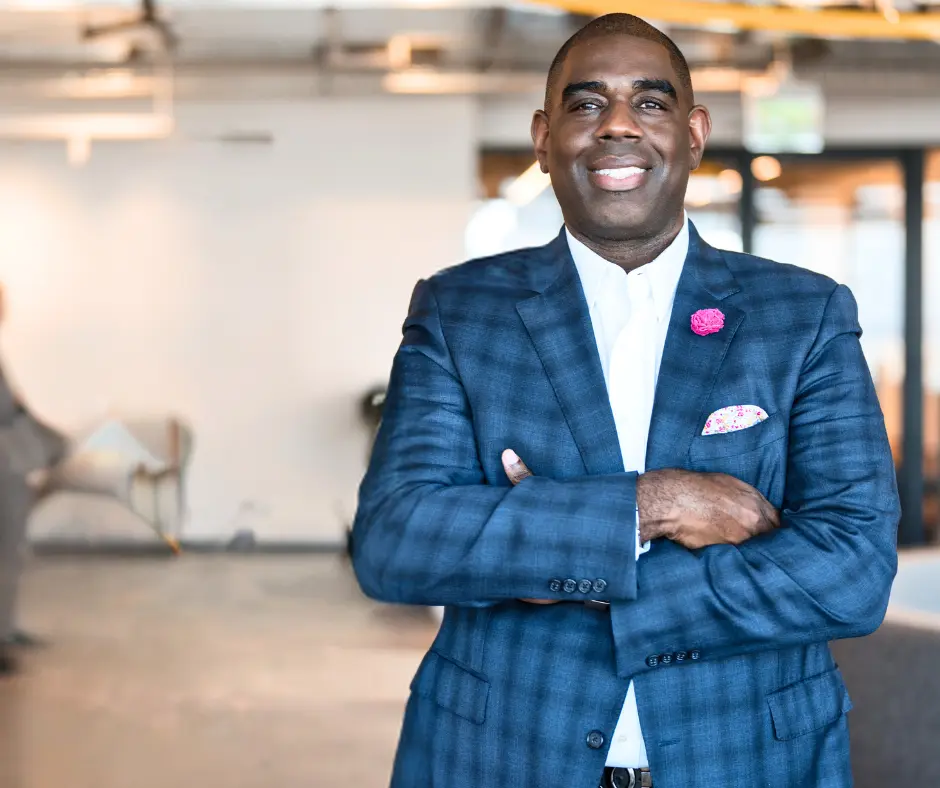
Lee Johnson, a Master Certified Life & Career Coach and real estate investing advocate, recommends allocating capital across private equity, hedge funds, real assets, and structured credit to construct a diversified alternative investment portfolio targeting uncorrelated returns.
Diversification requires allocating capital across uncorrelated assets like private equity, real estate, and hedge funds to help offset the positive stock-bond correlation Morgan Stanley Wealth Management measured at +1 as of April 1, 2025. Rebalancing maintains target risk levels while alternative assets reduce portfolio volatility beyond traditional securities.
A diversified alternative investment portfolio combines real estate, private equity, hedge funds, and commodities to reduce correlation with traditional stocks and bonds. Morgan Stanley Wealth Management's Global Investment Office reports positive stock-bond correlation as of April 1, 2025, making alternatives essential for true diversification. VIP Coach guides clients through the FIRE Concept coaching program toward financial independence.
Key Takeaways
- Positive stock-bond correlation reached 0.62 in April 2025 per Morgan Stanley data
- Alternative investments include asset types beyond the traditional stocks, bonds, and cash categories
- Steve Wyett notes that diversification is harder to achieve with traditional assets alone
- Rebalancing maintains target risk levels over time, according to diversification best practices
What Is a Diversified Investment Portfolio?
A diversified investment portfolio mixes different asset types to manage risk and avoid overreliance on any single market. Diversification helps manage risk and can help investors avoid costly mistakes by settling on a risk level they can genuinely live with.
Why Does Asset Mix Matter?
VIP Coach helps clients build a diversified investment portfolio by aligning career growth, cash flow, and long-term wealth strategies. The practice shows clients how to convert increased income into discretionary cash flow, then turn that cash flow into long-term wealth through intentional financial strategy.
How Does the FIRE Concept Support Diversification?
Lee Johnson's FIRE Concept methodology provides a structured roadmap toward financial freedom using real estate and entrepreneurial mindset. This approach gives clients a proven path toward financial independence and purpose-driven success.
Key components of a diversified approach:
- Stocks and bonds for market exposure
- Real estate for passive income streams
- Entrepreneurial ventures for scalable wealth growth strategies
- Cash reserves for liquidity and opportunity
Alternative asset allocation strengthens the portfolio by adding non-correlated investments that perform differently under various market conditions. This layered strategy reduces concentration risk while creating multiple pathways for wealth accumulation.

Why Consider Alternative Asset Allocation?
Alternative asset allocation expands a diversified investment portfolio beyond traditional stocks, bonds, and cash by adding asset types such as real estate and private equity. This approach addresses the growing challenge of achieving broad diversification as stock-bond correlations have increased, reducing the protective benefit of conventional holdings.
What happens when traditional assets move together?
Positive stock and bond correlation means both asset classes often rise or fall in tandem. When markets decline, a portfolio concentrated in correlated assets experiences larger drawdowns. Investors lose the cushion that negative correlation once provided, leaving wealth growth strategies more vulnerable to systemic shocks.
How does real estate fit into the solution?
Real estate investing mentorship at VIP Coach helps clients convert career income into discretionary cash flow, then direct that cash flow into tangible, income-producing properties. Real estate often behaves differently from public equities, offering potential for appreciation, cash yield, and inflation hedging within a broader allocation framework.
| Traditional Portfolio | Alternative Asset Allocation |
|---|---|
| Stocks, bonds, cash | Adds real estate, private equity |
| Rising correlation risk | Diversifies return drivers |
| Limited income sources | Expands cash flow opportunities |
Clients who integrate alternatives gain access to return streams that do not rely solely on public market cycles. This structural shift supports more resilient wealth growth strategies over the long term.

How Do Alternative Investments Fit in Your Portfolio?
Alternative investments expand a diversified investment portfolio beyond traditional stocks, bonds, and cash. These assets help investors achieve broader diversification when conventional holdings move in similar directions.
What role does correlation play in portfolio construction?
Stock and bond performance has grown more alike over recent years, reducing the protective effect of holding both. When traditional assets correlate positively, a downturn affects them simultaneously. Alternative investments introduce different return drivers that can smooth overall portfolio volatility.
How does VIP Coach integrate alternatives into wealth planning?
VIP Coach's VIP Financial Freedom offering helps clients master money strategies that build real, lasting wealth. The firm's signature FIRE Concept methodology integrates real estate investing and entrepreneurial mindset for financial independence. This structured roadmap guides alternative asset allocation decisions within a comprehensive plan.
Key considerations for alternative allocations:
- Real estate and private equity often show low correlation to public markets
- Liquidity profiles differ significantly from stocks and bonds
- Fee structures and minimum investments vary by vehicle
- Due diligence requirements exceed those of traditional funds
Asset allocation and diversification do not guarantee a profit or protect against loss. Investors should evaluate risk tolerance, time horizon, and liquidity needs before committing capital to alternative strategies. Professional guidance helps align these wealth growth strategies with long-term financial objectives.

What Are Key Wealth Growth Strategies for Professionals?
Key wealth growth strategies for professionals begin with aligning goals to personal values, then maximizing career income, and finally converting that income into long-term wealth through intentional financial strategy. Professionals who skip the values step often experience burnout and success that feels hollow.
How Does Values Alignment Prevent Burnout?
VIP Coach starts with client values because goals without values create confusion, burnout, and success that doesn't feel like success. This foundation ensures every career and financial decision supports genuine fulfillment rather than external expectations.
What Role Does Career Maximization Play?
Strategic career maximization positions clients for promotions, higher income, and greater negotiating power without grinding into exhaustion. The approach focuses on sustainable advancement that preserves energy for wealth-building activities.
How Is Income Converted Into Long-Term Wealth?
VIP Coach shows clients how to convert increased income into discretionary cash flow, then turn that cash flow into long-term wealth through intentional financial strategy. This process includes building a diversified investment portfolio and exploring alternative asset allocation to strengthen overall wealth growth strategies.
| Strategy Phase | Core Focus | Outcome |
|---|---|---|
| Values Alignment | Personal fulfillment | Sustainable motivation |
| Career Maximization | Income growth | Greater influence |
| Wealth Conversion | Cash flow deployment | Long-term assets |
Rebalancing is key to maintaining risk levels over time in a diversified portfolio.
How Does Real Estate Fit Into Alternative Asset Allocation?
Real estate is a core component of alternative asset allocation, providing income-producing assets that behave differently from traditional stocks and bonds. Lee Johnson, a real estate investor and advocate based in Sterling, Virginia, integrates property investing into client wealth plans through a structured methodology.
When stock and bond correlations rise, traditional portfolios lose diversification benefits. Morgan Stanley Wealth Management's Global Investment Office data from April 1, 2025 shows positive stock-bond correlation, meaning both asset classes can move in the same direction during market stress. This dynamic reduces the protective effect of a standard diversified investment portfolio and creates a gap that real estate can help fill.
Why Does Correlation Matter for Portfolio Construction?
Correlation measures how two securities move in relation to each other. A coefficient of +1 indicates perfect positive correlation where assets move in lockstep. When stocks and bonds become more correlated, the portfolio experiences larger simultaneous drawdowns. Real estate often exhibits lower correlation with public markets, which can smooth overall returns.
How Does the FIRE Concept Apply Real Estate to Wealth Building?
The FIRE Concept methodology centers on Financial Independence through Real Estate and Entrepreneurial mindset. This framework gives clients a structured roadmap toward financial freedom. VIP Coach delivers this through dedicated real estate investing mentorship, one-on-one VIP coaching, group programs, and executive advisory sessions. These services help ambitious professionals build passive income streams and implement wealth growth strategies grounded in tangible assets.
What Role Does Mindset Play in Building Wealth?
Mindset is the foundation for every financial decision and long-term wealth outcome. Without intentional mental reprogramming, professionals often remain trapped in limiting patterns that stall income growth and delay freedom.
VIP Personal Transformation coaching breaks limiting beliefs and builds habits for lasting growth. The framework centers on mindset reprogramming, confidence building, goal clarity, habit transformation, emotional mastery, and life balance. These components work together to shift how clients perceive risk, opportunity, and their own capacity to execute.
How does mindset reprogramming accelerate results?
Clients who engage in structured mindset work report breakthroughs such as launching businesses, doubling revenue, and reclaiming time within 90 days. This client breakthrough rate reflects the effectiveness of the coaching framework. When mental barriers dissolve, action follows naturally and compounds quickly.
What happens when mindset stays unchanged?
Stagnant thinking keeps high earners stuck in the same cycles: trading time for money, avoiding calculated risks, and missing passive income opportunities. The cost of inaction compounds silently across years, not months.
Core pillars of the transformation approach:
- Mindset reprogramming to replace scarcity narratives
- Confidence building for decisive action
- Goal clarity to align daily choices with long-term vision
- Habit transformation that automates wealth behaviors
- Emotional mastery to navigate market volatility
- Life balance that sustains momentum
A diversified investment portfolio requires the mental discipline to stay consistent through uncertainty. Alternative asset allocation demands the confidence to evaluate non-traditional vehicles without fear. Wealth growth strategies only execute when the internal operating system supports them. Mindset is not a soft skill — it is the pivot point that determines whether strategy becomes reality.
How Can Business Credit Support Wealth Growth Strategies?
Business credit provides capital access that protects personal assets while funding entrepreneurial growth. VIP Business Credit delivers funding strategies that put capital in owners' hands without risking personal assets or financial stability.
What Role Does Tiered Credit Building Play?
VIP Business Credit structures progress through a four-tier system that tracks business credit history development. Clients advance through defined stages with dedicated coaching time from Lee Johnson and the coaching team. One client currently operates at Tier 2 out of 4, demonstrating measurable advancement toward stronger credit profiles.
How Does Accreditation Reinforce Trust?
VIP Business Credit holds Better Business Bureau accreditation, reflecting commitment to transparency and ethical practices. The BBB profile verifies the business at its Sterling, Virginia location. This third-party validation supports confidence in the credit-building process.
Key benefits of business credit for wealth building:
- Access to credit lines without personal asset exposure
- Structured tier progression with coach accountability
- BBB-accredited transparency and ethical standards
- Capital deployment into entrepreneurial ventures
Business credit strategies fuel ventures that feed into a diversified investment portfolio and support alternative asset allocation decisions. By separating business and personal finances, owners preserve personal credit capacity for other opportunities. This separation creates a foundation for sustainable wealth growth strategies that compound over time.
What Should You Do Next to Build Your Portfolio?
VIP Coach accepts only 3 new clients per month to ensure deep personalization and accountability. Lee Johnson brings over 20 years of experience as a coach, entrepreneur, and real estate investor to every engagement.
How Can You Start the Transformation Journey?
A free consultation or a Deep Dive session (pricing varies) is available to start the transformation journey. These entry points let professionals explore diversified investment portfolio options without long-term commitment.
What Happens During a Strategy Session?
Clients can book a meeting with Coach Lee at https://transformwithvip.com/meet-with-coach-lee to discuss alternative asset allocation and wealth growth strategies. The session requires attendees to arrive on-time and prepared for maximum value.
Next steps to consider:
- Schedule a free consultation to assess fit
- Book the Deep Dive session (pricing varies) for comprehensive analysis
- Reserve a strategy session with Coach Lee directly
- Join the waitlist if monthly capacity is full
Building a diversified alternative investment portfolio takes intention, but you don't have to figure it out alone. VIP Coach and the VIP Coach team work with a select group of professionals each month, bringing real-world experience as entrepreneurs and real estate investors to every conversation. You gain a clear roadmap, steady accountability, and a partner who's navigated the same path. Ready to move from planning to progress? Let's start building your financial future together.
About the Author
Lee Johnson, Master Certified Coach
Lee Johnson is a Master Certified Coach, serial entrepreneur, and active real estate investor based in Sterling, VA, in the heart of the DC metro area. With over 20 years of professional experience and more than 500 coaching sessions delivered, Lee has helped over 200 mid-career professionals break through income ceilings, build lasting wealth, and reclaim purpose in their careers. As the founder of VIP Coach, he guides ambitious professionals toward financial independence through his proprietary WealthWorks 10x and FIRE strategy frameworks, integrating real-world entrepreneurship, strategic career advancement, and real estate investment into a unified path to freedom. VIP Coach's core mission is to help ambitious professionals maximize their careers, convert income into lasting wealth, and build financial freedom with clarity and without burnout.
FAQ
What is a diversified alternative investment portfolio?
This approach addresses the challenge of positive stock-bond correlation reported by Morgan Stanley Wealth Management.
How does the FIRE Concept methodology support portfolio diversification?
The approach aligns career growth, cash flow, and long-term wealth strategies to convert increased income into discretionary cash flow.
Why is alternative asset allocation important when stock and bond correlation is positive?
Positive stock and bond correlation means both asset classes often rise or fall in tandem, eliminating the cushion that negative correlation once provided. Alternative assets like real estate and private equity perform differently under various market conditions, reducing concentration risk.
Conclusion
In closing, real diversification isn't about chasing every shiny opportunity—it's about building something intentional, something that reflects your goals and your risk tolerance. That's exactly the kind of thoughtful strategy we love helping people create at VIP Coach. In the end, a diversified alternative portfolio is a form of freedom, giving you options and peace of mind no matter what the markets decide to do next.
Ready to talk through your own path to financial freedom? Book a free Clarity Call with Lee, call (571) 605-1484 605-1484), or email [email protected].