Executive Coach vs Life Coach: Key Differences Explained
Executive Coach vs. Life Coach: What’s the Difference — and Which One Do You Need?

Choosing the right coach can change how you work, lead, and live. Executive coaching zeroes in on leadership, performance, and career outcomes. Life coaching focuses on personal goals, transitions, and overall well‑being. Knowing the difference helps you pick the approach that will actually move the needle for you. Below we break down each coaching style, the benefits you can expect, and how to decide which one fits your needs—plus practical use cases and common results.
Key Takeaways
- Executive coaching targets leadership skills and measurable professional goals through a structured process.
- Life coaching supports personal growth, clarity, and smoother navigation of major life transitions.
- Executive coaching often yields stronger leadership, better team performance, and faster career progress.
- Life coaching brings clearer personal goals, more consistent motivation, and improved day‑to‑day wellbeing.
- Use executive coaching for leadership development, performance lifts, and steering organizational change.
- Choose life coaching for career pivots, personal development, or managing big life shifts.
- Your primary focus—professional growth or personal change—guides the right choice of coach.
- Look at the specific challenges you face and the coaching style you respond to when making a decision.
What is the difference between executive and life coaching?
Executive coaching is a focused, often measurable coaching process designed for people in leadership roles. An executive coach partners with clients to set professional priorities, sharpen leadership behaviors, and solve workplace challenges. The emphasis is on outcomes that affect career trajectory and organizational success.
Life coaching covers a wider personal landscape—helping clients clarify values and goals, remove barriers, and make meaningful life changes. Life coaches work with clients on anything from career shifts to relationships, health, and work‑life balance, with the goal of improving overall satisfaction and daily functioning.
Knowing these differences makes it easier to choose a coach aligned with your objectives. If you want a deeper comparison of coaching approaches, see the full breakdown here.
Benefits and Use Cases of Executive Coaching

Executive coaching delivers targeted benefits for career-focused professionals. Key advantages include:
- Enhanced Leadership Skills: Develop practical leadership abilities—decision making, communication, and managing conflict—with actionable feedback.
- Improved Performance: Set clear priorities and receive tailored coaching that boosts productivity and on‑the‑job effectiveness.
- Career Advancement: Build the confidence and competencies needed to step into higher roles and take on greater responsibility.
Use Cases for Executive Coaching
Executive coaching tends to be most effective in scenarios like:
- Leadership Development: For new managers or leaders preparing for broader roles.
- Performance Improvement: For leaders who need to raise their impact or address performance gaps.
- Organizational Change: For executives guiding teams through restructuring, mergers, or rapid growth.
Benefits and Use Cases of Life Coaching

Life coaching helps you build clarity and momentum across personal areas of life. The primary benefits include:
- Goal Clarity: Help identifying what matters most and turning vague ideas into practical, achievable plans.
- Increased Motivation: Accountability and structured support that keeps you committed and moving forward.
- Enhanced Well‑Being: Work on relationships, health, and balance to improve your daily experience and long‑term satisfaction.
Use Cases for Life Coaching
Life coaching is especially useful when you’re facing:
- Career Transitions: When you’re exploring a new field, role, or direction.
- Personal Development: To increase self‑awareness, confidence, and life skills.
- Life Changes: Support through divorce, relocation, or other major life events.
If you’re planning a career move, a life coach can guide you through the process with practical steps and clearer priorities.
Choosing the Right Coach for Your Needs
Deciding between an executive coach and a life coach becomes clearer when you consider:
- Goals: Are you focused on advancing at work or improving your life outside of work?
- Challenges: Are your obstacles mainly professional (team dynamics, leadership, performance) or personal (identity, relationships, major transitions)?
- Coaching Style: Do you prefer structured, outcome‑driven coaching or a broader, exploratory approach?
Use these factors to choose the coach who matches your priorities. When in doubt, meet with a coach to discuss your situation and see what approach feels right.
How to Maximize Your Coaching Experience
Regardless of whether you choose an executive coach or a life coach, your active participation is crucial to getting the most out of the coaching relationship. Here are some strategies to maximize your coaching experience:
- Set Clear Objectives: Before starting, define what success looks like for you. Clear goals help your coach tailor sessions to your needs.
- Be Open and Honest: Share your challenges and aspirations candidly. Transparency fosters trust and deeper insights.
- Commit to Action: Coaching is not just about talking; it’s about doing. Follow through on agreed-upon actions between sessions.
- Reflect Regularly: Take time to reflect on your progress and any shifts in perspective or behavior.
- Provide Feedback: Let your coach know what’s working and what isn’t to adjust the approach as needed.
Common Misconceptions About Coaching
Understanding what coaching is—and what it isn’t—can help you set realistic expectations and avoid common pitfalls. Here are some misconceptions to be aware of:
- Coaching is Therapy: Coaching focuses on future goals and actions, while therapy often addresses past trauma and mental health diagnoses.
- Coaches Give You All the Answers: Coaches guide you to find your own solutions rather than prescribing specific advice.
- Coaching is Only for Struggling Individuals: Many high performers use coaching proactively to accelerate growth and maintain peak performance.
- Results Are Instant: Coaching is a process that requires time, effort, and patience to see meaningful change.
How to Choose the Right Coach: Credentials and Experience
When selecting a coach, credentials and experience matter. Here’s what to look for:
- Certification: Look for coaches certified by reputable organizations such as the International Coach Federation (ICF) or similar bodies.
- Specialization: Choose a coach whose expertise aligns with your goals—executive coaching, life coaching, career coaching, etc.
- Experience: Consider the coach’s track record, including the number of clients served and success stories.
- Compatibility: A good rapport and communication style fit are essential for a productive coaching relationship.
- Approach: Understand the coach’s methodology and ensure it resonates with your learning style and preferences.
Integrating Coaching with Other Personal and Professional Development
Coaching can be even more effective when combined with other development tools and practices. Consider integrating:
- Mentorship: Mentors provide guidance based on their experience, complementing the forward-looking nature of coaching.
- Training and Workshops: Skill-building sessions can reinforce areas identified during coaching.
- Self-Reflection Practices: Journaling, meditation, or mindfulness can deepen insights gained through coaching.
- Networking: Expanding your professional or personal network can open new opportunities aligned with your coaching goals.
Measuring Success in Coaching
Tracking progress helps you and your coach stay aligned and motivated. Common ways to measure coaching success include:
- Goal Achievement: Assess whether you’ve met the specific objectives set at the start.
- Behavioral Changes: Notice improvements in leadership style, communication, or personal habits.
- Feedback from Others: Input from colleagues, family, or friends can provide external validation of your growth.
- Increased Confidence and Satisfaction: Subjective feelings of empowerment and well-being are important indicators.
- Career or Life Milestones: Promotions, successful transitions, or improved relationships can signal coaching impact.
Frequently Asked Questions
1. Can I benefit from both executive and life coaching simultaneously?
Yes, many individuals find value in engaging both an executive coach and a life coach at the same time. This dual approach allows you to address professional goals, such as leadership development and career advancement, while also focusing on personal growth, relationships, and overall well-being. However, it's essential to ensure that the coaching sessions are well-coordinated to avoid conflicting advice and to maximize the benefits from both coaching styles.
2. How long does coaching typically last?
The duration of coaching can vary significantly based on individual goals and needs. Generally, coaching engagements can last anywhere from a few months to a year or more. Some clients may opt for short-term coaching to address specific challenges, while others may pursue long-term coaching for ongoing personal or professional development. It's important to discuss your expectations and desired outcomes with your coach to establish a suitable timeline.
3. What qualifications should I look for in a coach?
When selecting a coach, consider their qualifications, such as certification from recognized organizations like the International Coach Federation (ICF). Additionally, look for coaches with relevant experience in your area of interest, whether it's executive or life coaching. A good coach should also demonstrate a strong track record of success, compatibility with your communication style, and a coaching approach that resonates with your personal learning preferences.
4. How can I measure the effectiveness of my coaching sessions?
Measuring the effectiveness of coaching can be done through various methods. Start by setting clear, specific goals at the beginning of your coaching journey. Regularly assess your progress towards these goals, observe any behavioral changes, and seek feedback from colleagues or friends. Additionally, reflect on your feelings of confidence and satisfaction, as these subjective measures can indicate the impact of coaching on your personal and professional life.
5. Are there specific industries that benefit more from executive coaching?
While executive coaching can be beneficial across various industries, sectors that involve leadership roles, such as corporate, technology, healthcare, and finance, often see significant advantages. These industries typically require strong leadership skills, effective team management, and the ability to navigate complex organizational dynamics. However, any professional seeking to enhance their leadership capabilities and career trajectory can benefit from executive coaching, regardless of their industry.
6. What should I expect during my first coaching session?
During your first coaching session, expect to engage in a comprehensive discussion about your goals, challenges, and expectations. The coach will likely ask questions to understand your background, motivations, and what you hope to achieve through coaching. This initial session is crucial for establishing rapport and setting the foundation for your coaching relationship. Be prepared to share openly and honestly to help your coach tailor their approach to your specific needs.
7. Can coaching help with work-life balance issues?
Absolutely! Coaching can be an effective tool for addressing work-life balance challenges. A life coach, in particular, can help you identify your priorities, set boundaries, and develop strategies to manage your time effectively. Through coaching, you can gain clarity on what balance means for you and create actionable plans to achieve it. This support can lead to improved well-being and satisfaction in both your personal and professional life.
Conclusion
Both executive and life coaching can be powerful—your next step depends on what you want to change. Executive coaching is best when you need measurable improvements in leadership and career performance. Life coaching is best when you want clarity, motivation, and a better balance across personal priorities. Choose the approach that aligns with your goals, and lean on a coach who understands the outcomes you want to achieve. To get started, explore our resources and find the support that fits your journey.
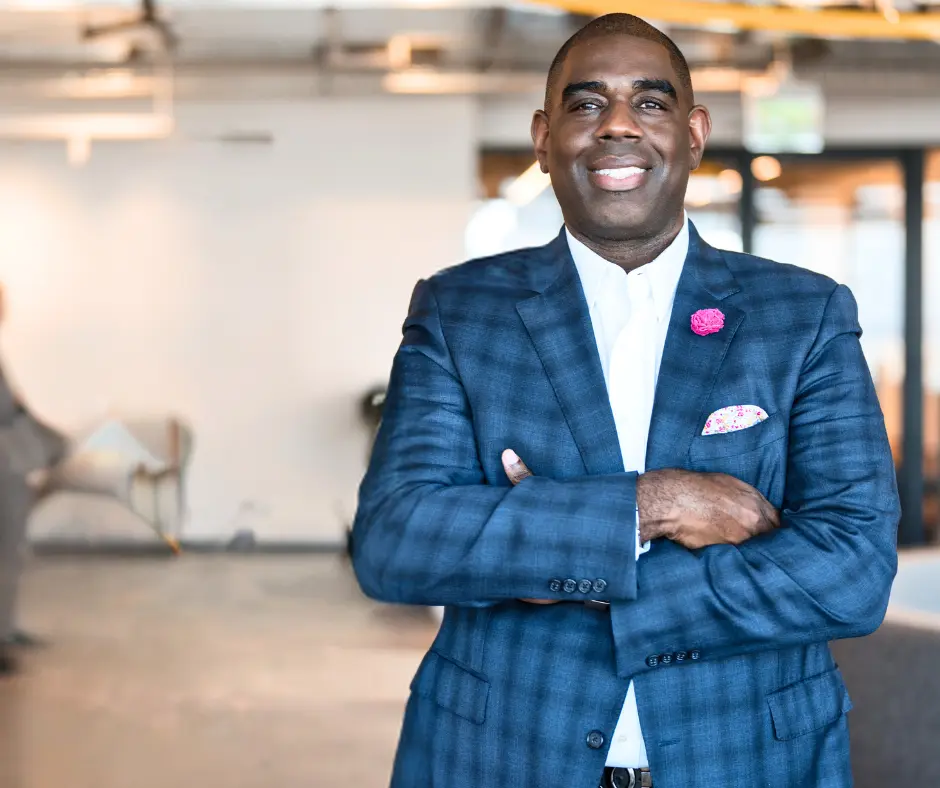
About the Author: Lee Johnson, Master Certified Professional Coach
Lee Johnson is a Master Certified Professional Coach, serial entrepreneur, and active real estate investor based in Sterling, VA, near the DC metro area. With more than 20 years of professional experience and over 500 coaching sessions delivered, Lee has guided 200+ mid‑career professionals past income ceilings to build lasting wealth and regain purpose in their work. As founder of VIP Coach — TransformWithVIP.com — he helps ambitious professionals earning $80K–$250K pursue financial independence using his WealthWorks 10x and FIRE strategy frameworks. Lee combines entrepreneurship, strategic career planning, and real estate investing into a practical roadmap to freedom. Ready to transform your career and finances? Book a free discovery call with Lee at https://transformwithvip.com/meet-with-coach-lee