Executive Presence Development for Leaders
Executive Presence Development for Leaders
By VIP Coach Editorial Team · Updated *2026-08-31*
Executive presence for leadership roles combines confidence, credibility, and composure, according to VIP Coach's leadership resources, and develops through intentional practice rather than natural talent alone. Directors and rising leaders strengthen this presence by refining communication, visual authority, and decision-making under pressure, positioning themselves for C-suite readiness and greater organizational influence.
Key Takeaways
Executive presence signals readiness for higher leadership roles and reflects confidence, credibility, and composure.
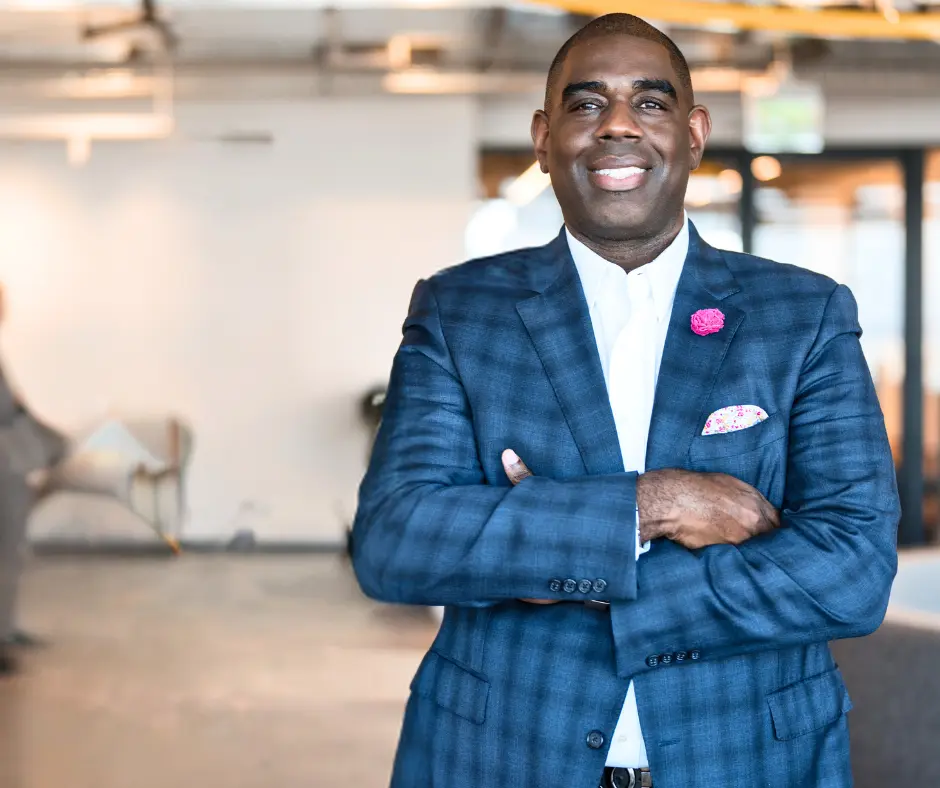
Lee Johnson, Master Certified Life & Career Coach, develops executive presence through intentional coaching techniques.
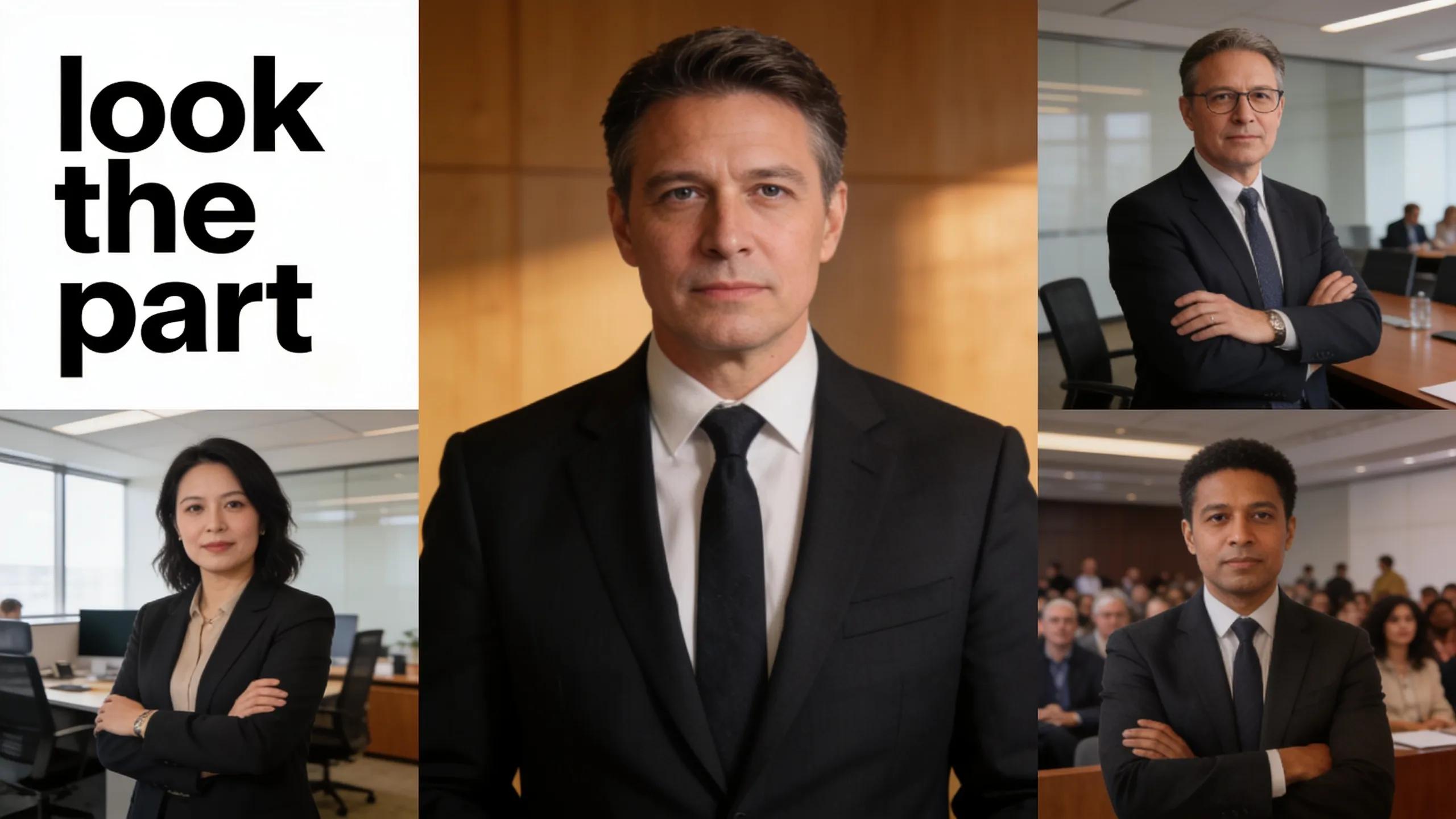
Top leaders project presence by looking the part across diverse environments from startups to C-suite.
VIP Coach accepts only 3 new clients monthly to ensure personalized executive presence development.
What Is Executive Presence?
Confidence, credibility, and composure make up the real backbone of executive presence. Leaders who carry these three qualities navigate complexity without losing their footing. They bring teams together around shared goals even under pressure. That combination — not a polished suit or a booming voice — is what separates leaders who influence rooms from leaders who just occupy them.
Many people assume presence is something a person is born with. That assumption misses the bigger picture. Executive presence development is a leadership capability, one that grows through intentional practice over time, much like any other professional skill. Directors and rising managers don't need a magnetic personality to build it; they need repetition, feedback, and self-awareness.
Why do some leaders seem to have "it" and others don't?
Executive presence often gets nicknamed the "it factor". The quality that makes certain leaders stand out from a crowded field. That label makes presence sound mysterious, almost magical. In reality, the leaders who "have it" have usually spent years refining how they show up, speak, and respond under pressure.
Can executive presence actually be taught?
Yes, and the results show up in real career trajectories. Coaches who specialize in this area, including Lee Johnson with over 20 years of experience guiding professionals, help clients strengthen the habits behind lasting presence rather than chase a one-time image makeover.
Three components tend to anchor the work:
Confidence — steady decision-making, even when information is incomplete
Credibility — consistency between words and follow-through
Composure — a level response during high-stakes moments
Together, these traits build the professional gravitas that senior leaders rely on to earn trust and expand their influence across an organization.

Why Does Presence Determine Promotions?
Promotions rarely go to the most qualified person in the room. They go to the person decision-makers already picture in the bigger role. Leadership success ties directly to the ability to project authority, build trust, and influence others. Three qualities that outweigh raw output when senior leaders decide who's next in line. Skills matter, but perception moves the needle first.
That's the uncomfortable truth about executive presence development: it's often judged before a single project result gets reviewed. A director who hesitates in meetings or defers too often signals uncertainty, even with a strong track record. Meanwhile, a peer who speaks with clarity and owns the room gets remembered when leadership talks succession.
Does presence outweigh performance?
Not exactly — but it shapes how performance gets interpreted. Two managers can deliver identical results, yet the one with stronger professional gravitas walks away with the stretch assignment. Presence acts as the lens through which competence gets seen.
VIP Coach builds this lens deliberately. Clients work through salary negotiations, equity strategies, and promotion positioning designed to protect job security while pushing career growth forward. That work connects directly to a bigger picture: mapping professional growth to a clear financial freedom timeline, built on strategy instead of guesswork. VIP Coach
None of this happens through mass-market advice. VIP Coach accepts only three new clients per month, a deliberate cap that keeps coaching focused and high-touch. That structure matters for rising leaders who need individualized feedback on how they show up, not generic tips borrowed from a webinar.
Presence, in the end, is the signal that tells decision-makers someone is ready before the title confirms it.
What Are The Core Components Of Presence?
Three elements define presence in senior leaders: a polished visual image, a confident bearing, and a commanding way of speaking. Leaders who skip any one of these pieces risk being overlooked in the exact rooms where decisions get made and promotions get decided.
How does appearance shape a leader's authority?
Visual image sets the tone before a leader says a single word. Whether a director is standing in a cramped startup basement or presenting to a FORTUNE 100 boardroom, the way they dress and carry themselves signals "leader" instantly to everyone in the room. This is the first layer of **executive presence development**: showing up in a manner that matches the level of influence a leader wants to have, not just the title on their badge.
Why does body language matter as much as words?
Confidence shows up in posture, movement, and energy long before it shows up in a sentence. Leaders with real professional gravitas carry themselves with a noticeable air of self-assurance, almost a quiet swagger, that shapes how peers and teams perceive their authority. People read that confidence as competence, often without realizing they're doing it.
Speech ties the whole picture together. Leaders who master leadership communication skills speak with authority and a self-assured tone, reinforcing credibility in meetings, negotiations, and hallway conversations alike. That combination of look, carriage, and voice is what separates leaders who get remembered from leaders who blend into the wallpaper.
Building all three components rarely happens by accident. Lee Johnson, a Master Certified Life & Career Coach, works directly with rising leaders to sharpen these traits into a coherent, authentic leadership identity. Clients meet with him at VIP Coach's office in Sterling, VA, giving the work a consistent, professional home base rather than a scattered series of one-off tips. Directors aiming for the C-suite gain the most when they treat presence as a skill set to build, not a personality trait they either have or lack.
How Do Top Leaders Project Confidence?
Confidence starts with command — the ability to hold a room's attention even when pressure runs high. Directors and rising leaders who master this skill don't just survive high-stakes meetings; they steer them. That command doesn't happen by accident. It's built through **executive presence development**, a deliberate process of shaping how leaders speak, listen, and carry themselves under scrutiny.
Composure matters as much as competence. Leaders who stay grounded during tense negotiations or unexpected setbacks signal readiness for bigger roles. Those who visibly rattle lose credibility fast, regardless of how skilled they actually are.
Does acting confident actually make someone more confident?
Yes — behavior shapes perception over time. Professionals who consistently act reliable and capable eventually get perceived that way by peers and executives alike. This isn't about faking expertise; it's about practicing the posture, tone, and language of someone already operating at the next level.
That practice compounds. Small, repeated choices — steady eye contact, measured pacing, clear language — add up to what's often called professional gravitas, the quiet authority that makes people lean in rather than tune out.
What role does communication play in building presence?
Communication carries most of the weight. Leadership communication skills — clarity under pressure, active listening, and the ability to translate complexity into simple direction — separate leaders who influence outcomes from those who just attend meetings.
Coaching clients often point to this exact combination. One VIP Coach client described the experience this way:
Listening skills that meet people exactly where they are
Guidance tailored to specific career goals, not generic advice
An approach described as "second to none" in helping clients move forward
That kind of individualized coaching is reflected in the numbers, too. VIP Coach holds a 5.00-star rating across 14 Google Reviews, a signal of consistent client confidence in the results.
Can Executive Presence Be Coached And Developed?
Yes. Coaching sharpens presence into a skill that produces a lasting impact on colleagues, teams, and stakeholders. Rising leaders often ask what visibly separates top executives from everyone else in the room. The answer rarely comes down to natural charisma alone. It comes down to habits that get built and refined over time.
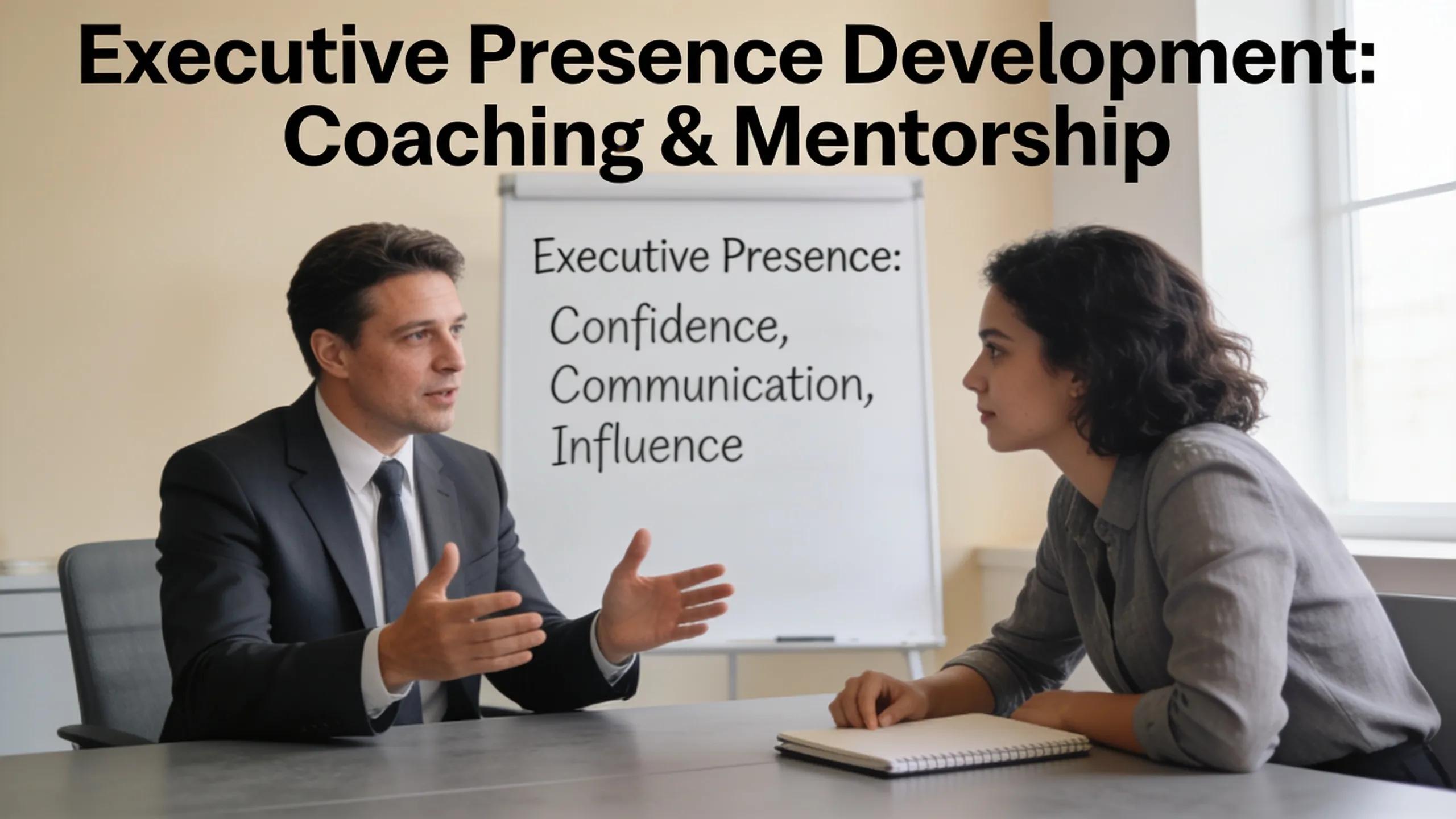
Executive presence development works best as a structured process, not a personality overhaul. Directors and senior managers already carry technical expertise; what often lags behind is the outward signal of readiness. Coaching closes that gap by targeting three areas at once:
Professional gravitas — the composure and credibility that make a leader's word carry weight in high-stakes rooms
Leadership communication skills — clear, confident messaging that lands with executives, peers, and direct reports alike
Visibility habits — how a leader shows up, speaks up, and takes ownership in meetings that matter
What does an executive presence coach actually do?
A coach observes how a leader communicates, carries themselves, and responds under pressure, then builds a targeted plan around the gaps. Lee Johnson, a coach, entrepreneur, and real estate investing advocate based in Sterling, Virginia, brings that kind of hands-on approach to leaders working toward the C-suite. Sessions focus on real scenarios — board updates, cross-functional meetings, high-visibility presentations — rather than abstract theory.
Where does this coaching happen?
VIP Coach operates out of Sterling, VA, offering a dedicated setting for focused, one-on-one coaching work. That consistency matters for leaders juggling demanding schedules who need coaching that fits into a real career, not around it. A fixed home base also means progress gets tracked over multiple sessions instead of scattered, one-off advice.
How Does VIP Coach Build Career-Ready Leaders?
VIP Coach turns careers into engines for genuine financial freedom by combining hands-on mentorship with practical strategy work. Career plateaus cost professionals more than stalled titles — they drain confidence, delay income growth, and quietly narrow future options. Clients work through the skills, mindset shifts, and business strategies needed to break past that stall point and build something sustainable.
Executive presence development sits at the center of this work. Rather than treating presence as an innate trait, coaching sessions break it into learnable habits: how a leader enters a room, how they field pushback, how they hold a pause instead of rushing to fill silence. Clients also sharpen leadership communication skills, since the ability to explain a decision clearly often matters more than the decision itself when executives are watching.
What makes VIP Coach's coaching approach different?
Team size matters here. VIP Coach runs lean, with just three employees dedicated to client relationships rather than a sprawling roster of coaches passing clients around. That structure keeps sessions personal — clients get direct access to strategy discussions instead of generic scripts. One reviewer described the experience this way: easy to talk to, backed by real depth of knowledge worth learning from.
Where does VIP Coach work with clients?
VIP Coach operates from its Sterling, Virginia office, the home base for its career-focused coaching practice. That grounding gives the team a consistent setting to develop long-term client relationships rather than one-off sessions.
The combined effect builds professional gravitas. The kind that shows up in how a director handles a tense stakeholder meeting or how a rising manager pitches a bold idea to the C-suite. Coaching here builds the underlying skills so that confidence holds up under real pressure, meeting after meeting — not a moment of performed confidence.
What Communication Habits Command The Room?
Calm, direct speech commands a room faster than volume or title ever will. Leaders who inspire confidence in their teams, peers, and stakeholders share a specific set of communication habits, not just a strong résumé. That confidence-building skill sits at the core of executive presence development. It shows up in how a leader listens, pauses, and responds under pressure.
Strong leadership communication skills rely less on scripted talking points and more on steady, self-assured delivery. A leader who pauses before answering a hard question projects more control than one who rushes to fill silence. Tone matters as much as content — measured pacing signals a leader who's thought things through, not one reacting on impulse.
What does professional gravitas actually sound like?
Professional gravitas sounds like clarity under pressure. It's the ability to project mature self-confidence, take charge of unpredictable situations, and make tough calls without hesitating. Leaders with gravitas don't need to raise their voice to be heard; their steadiness does the work.
A few habits separate leaders who command attention from those who blend into the background:
Speaking in complete, unhurried sentences instead of trailing off
Asking clarifying questions rather than guessing at intent
Naming the decision directly instead of hedging with qualifiers
Holding eye contact and pausing before responding to pushback
How can leaders build these habits without a coach on staff full-time?
Coaching conversations built around real meeting scenarios sharpen these habits faster than reading alone. VIP Coach offers assistance Monday through Friday from 10:00 am to 5:00 pm. Saturday from 10:00 am to 1:00 pm. Hours designed to fit around demanding leadership schedules. Leaders ready to sharpen their communication edge can call (571) 605-1484 to start the conversation.
Ready To Build Your Executive Presence?
Space opens for a limited number of leaders each month, and that scarcity matters. VIP Coach accepts only three new clients per month. Directors and rising executives serious about executive presence development benefit from reaching out sooner rather than later. Waiting a few extra weeks can mean missing that month's openings entirely.
Coaching here isn't guesswork. Lee Johnson brings more than two decades of coaching experience to every engagement, guiding leaders toward the confidence, credibility, and composure that fuel career growth. That depth of experience shapes how clients strengthen leadership communication skills and learn to command a room without overplaying their hand.
Is VIP Coach's coaching approach actually effective?
Results speak through client feedback, not marketing claims. VIP Coach holds a 5.00 star rating across 14 Google Reviews, reflecting consistent trust in its coaching methods among past and current clients. Consistency across that many reviews signals something rare: an approach that works session after session, not just once.
How does someone start the process?
Getting started takes one email. Prospective clients reach out to [email protected] to begin a conversation about coaching goals, timeline, and fit. From there, the discussion turns to what professional gravitas looks like in each leader's specific role and industry.
For directors eyeing the C-suite, the math is simple:
Limited monthly openings mean early outreach protects a leader's timeline.
Two decades of coaching experience translates into faster, more targeted progress.
A near-perfect review record reduces the risk of wasted time and money.
Leadership plateaus rarely fix themselves. Coaching built around proven results gives ambitious professionals a clearer, faster path forward.
FAQ
What is executive presence?
Executive presence combines confidence, credibility, and composure. It reflects steady decision-making, consistency between words and actions, and a level response during high-stakes moments rather than natural talent alone.
Can executive presence be developed through coaching?
Yes, coaches like Lee Johnson, with over 20 years of experience, help clients build the habits behind lasting presence through intentional practice, communication refinement, and decision-making skills under pressure.
Why does executive presence affect promotion decisions?
Decision-makers promote leaders they can picture in bigger roles, so projecting authority, trust, and influence often outweighs raw output. Presence gets judged before project results even get reviewed.
Conclusion
Developing executive presence means growing into an authentic, intentional leader, not performing a role. Leaders who command respect earn it quietly, through the discipline of aligning their values with their actions day after day. Directors and rising leaders ready to build that kind of presence can start the process with VIP Coach — real transformation begins with a single conversation.
About the Author
Lee Johnson is a Master Certified Professional Coach, Master Certified Life Coach, founder of VIP Coach, and an active real estate investor based in Sterling, VA. With more than 20 years of experience integrating career and executive coaching with WealthWorks 10X and Financial Independence, Retire Early (FIRE) frameworks, Lee has helped numerous professionals build lasting executive presence grounded in authentic leadership and financial strategy.
Contact Us
Phone: (571) 605-1484
Email: [email protected]