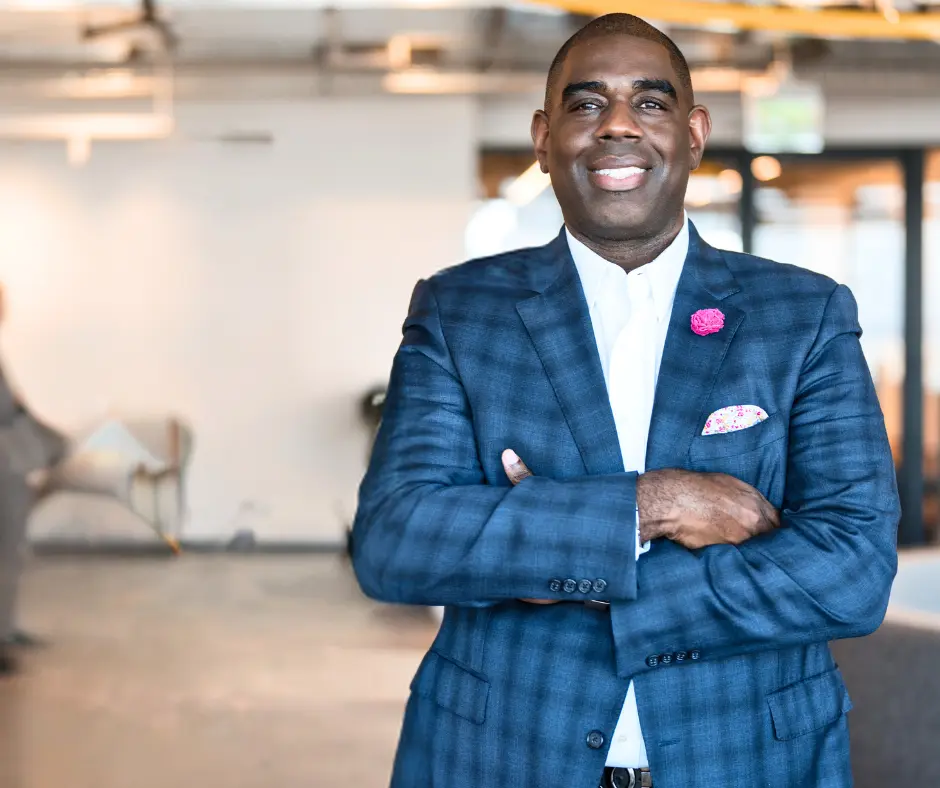
Mastering Your Money Mindset for Financial Success
Mastering Your Money Mindset for Financial Success

By VIP Coach Editorial Team · Updated 2026-08-09
Mastering money mindset requires disciplined belief systems and consistent action. Taught by Lee Johnson, Master Certified Life & Career Coach at VIP Coach in Sterling, VA. VIP Coach accepts only 3 new clients each month to ensure personalized guidance for lasting financial success.
Financial success starts with mastering your money mindset, guided by experts like Lee Johnson, a Master Certified Life & Career Coach at VIP Coach in Sterling, VA. With a 5.00-star rating from 14 Google Reviews, VIP Coach accepts only 3 new clients each month for personalized transformation.
Financial success starts with belief before behavior, according to Lee Johnson's FIRE Concept methodology at VIP Coach. Behavioral finance research confirms mindset drives action: young professionals who see wealth as achievable pursue it. Scarcity thinking causes self-sabotage. VIP Coach's one-on-one coaching rewires that belief system, pairing mindset shifts with real estate strategies for lasting financial independence.
Key Takeaways
Mindset determines financial behavior; believing wealth is possible increases likelihood of taking positive action.
Negative money thoughts develop from lack of funds or excessive debt, affecting financial decisions.
Lee Johnson, Master Certified Life & Career Coach, helps clients transform money mindset at VIP Coach.
VIP Coach accepts only 3 new clients each month, ensuring personalized financial coaching in Sterling, Virginia.
What Is a Money Mindset?
Beliefs about money, not raw talent or paycheck size, drive most financial decisions people make every single day. Behavioral finance research backs this up: money mindset. The collection of beliefs, habits, and emotional reactions someone carries around earning, saving, and spending. Often determines behavior more than skill or income ever could. Two people with identical salaries can end up in completely different financial positions ten years later. The difference usually traces back to what each one believes is possible.
That belief system matters because it shapes action. Someone convinced that wealth is achievable for them tends to actually pursue the opportunities that build it — a new investment, a career pivot, a harder conversation about debt. Someone stuck in scarcity thinking often lets those same opportunities pass by, not from lack of ability but from lack of belief.
Why does mindset matter more than strategy alone?
Strategy without belief rarely sticks. A solid budgeting plan or investment framework falls apart quickly when old fears about "not enough" resurface under pressure. Real, lasting change starts with rewiring the beliefs underneath the numbers, not just the numbers themselves.
VIP Coach builds its process around this idea. Coaching sessions start with values rather than jumping straight to goals. Goals disconnected from personal values tend to create confusion and burnout instead of momentum. Founder Lee Johnson brings over 20 years of experience guiding professionals through exactly this kind of shift. Helping clients rebuild a financial success mindset from the ground up, one rooted in clarity instead of fear.

Why Does Your Money Mindset Matter More?
One factor shapes career success and business growth more than talent, credentials, or even hustle: the beliefs a person carries about money itself. A professional's money mindset determines whether opportunities get chased or avoided. Skills open doors, but psychology decides who walks through them.
That psychology runs deeper than most people realize. Many capable, ambitious professionals actively avoid their own finances. Refusing to talk about money, think about money, or even check their account balances. This avoidance pattern isn't laziness; it's fear wearing a disguise, and it quietly stalls careers that should be thriving.
What Happens When Money Avoidance Takes Over?
Avoidance breeds stagnation. Professionals who dodge financial conversations often miss negotiation opportunities, delay investment decisions, and stay stuck in roles that no longer serve their goals. Left unchecked, this pattern compounds year after year, turning small hesitations into major setbacks.
Breaking that cycle requires more than budgeting spreadsheets. It requires rewiring the underlying wealth psychology driving those avoidance habits in the first place.
How Does VIP Coach Address This Mindset Gap?
VIP Coach starts by shifting how clients think about money before ever touching a strategy document. From there, clients receive support to strategically maximize their careers, so income growth doesn't demand burnout or constant grinding.
Working with founder Lee Johnson, clients describe the process as approachable and refreshingly practical:
Conversations feel easy, not intimidating or overly technical
Guidance draws from real, lived financial experience rather than abstract theory
Coaching builds a genuine financial success mindset, not just short-term motivation
That combination — psychological shift plus strategic career action — is what separates lasting transformation from another temporary pep talk.

How Do Scarcity Cycles Sabotage Your Wealth?
Scarcity cycles sabotage wealth by convincing ambitious professionals that opportunity is limited before they even try. Belief that the financial system is rigged personally leads straight to self-sabotage, undermining goals before real action starts. Debt and financial shortage compound the damage, breeding a negative, destructive thought pattern that hardens with every missed payment or maxed card. That pattern is the core of a damaging money mindset. The set of beliefs about money that quietly shapes every financial decision made, big or small.
Fear plays a starring role too. Constant financial anxiety blocks the exact behaviors needed to earn more or climb out of debt. Saving consistently, investing early, negotiating pay, taking calculated risks. The irony stings: fear meant to protect the wallet ends up protecting the scarcity itself.
What keeps a scarcity cycle going?
Three forces tend to feed off each other, reinforcing the loop:
Rigged-system beliefs that discourage effort before it starts
Chronic debt or shortage that hardens negative thinking over time
Fear-driven avoidance that blocks income-building action
Left unchecked, this loop rarely breaks on its own.
Can a financial success mindset actually reverse scarcity thinking?
Yes. Overcoming scarcity mindset money patterns is possible — shifting from scarcity toward a genuine financial success mindset interrupts the loop by replacing fear-based avoidance with strategy and action. Learning how to shift money mindset habits is exactly what VIP Coach's financial freedom coaching delivers, guiding clients to master budgeting, investing, and passive income strategies instead of staying stuck in survival mode. Founder Lee Johnson, a real estate investor based in Sterling, Virginia, brings firsthand experience navigating these same traps. Proof that lasting wealth psychology can be rebuilt, not just studied.
What Beliefs Are Secretly Running Your Finances?
Hidden beliefs about scarcity and self-worth shape spending, saving, and investing decisions long before conscious choice ever enters the picture. Old money scripts, passed down from family or forged during past struggles, quietly steer whether someone builds savings with confidence or spends out of fear. Recognizing these buried beliefs is the first step toward a money mindset that actually supports long-term wealth.
Why does avoiding money problems make things worse?
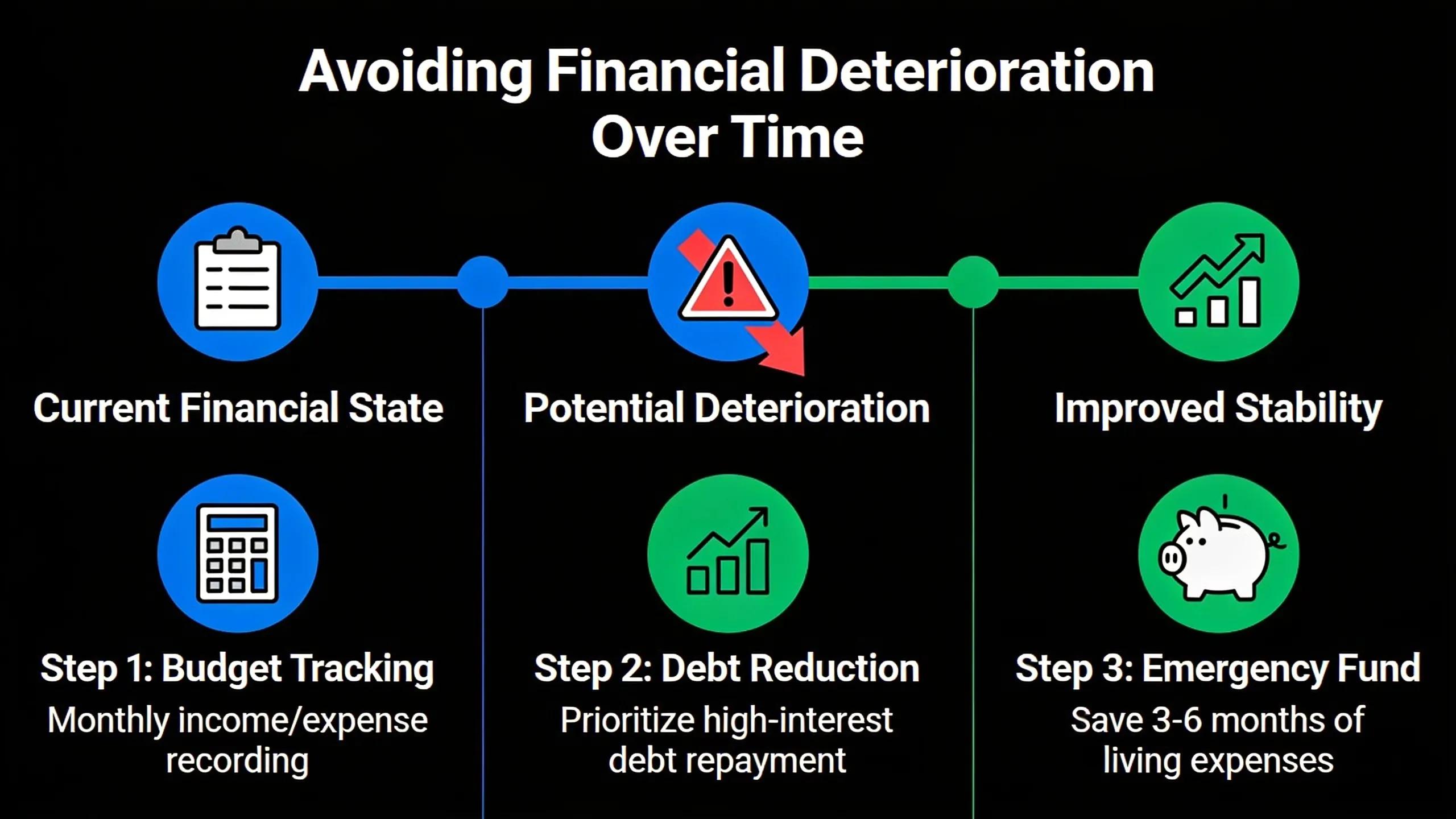
Ignoring bank statements and debt balances feels safer in the moment, but the strategy backfires. Ducking financial reality doesn't shrink the problem; it digs the hole deeper, turning manageable debt into a genuine crisis. Facing the numbers, even the uncomfortable ones, is what makes a shift toward a healthier financial success mindset possible.
Does believing money equals freedom actually change behavior?
Yes. Viewing money as freedom rather than a threat pushes people toward growth-oriented choices instead of avoidance. That single belief shift—from fear to possibility—often separates those who build wealth from those who stay stuck.
Common limiting beliefs worth questioning include:
"There's never enough money, no matter how hard I work."
"Talking about finances feels shameful or overwhelming."
"Wealth is for other people, not someone like me."
"Checking my accounts will only bring bad news."
Each belief above reflects a deeper layer of wealth psychology, the internal wiring behind every financial decision. Lee Johnson, a Master Certified Life & Career Coach, works directly with clients to surface these patterns and connect them to real financial habits. VIP Coach's Personal Transformation framework was built specifically for this work, breaking limiting beliefs, sharpening mindset, and reinforcing the habits that support lasting growth. Uncovering the belief behind the balance sheet often matters more than any budgeting spreadsheet ever could.
How Can You Rewrite Your Money Story?
Rewriting a money story begins with digging into the core beliefs about money formed early in life. Childhood messages about scarcity, worthiness, and security often run silently in the background for decades. Left unexamined, those beliefs quietly steer major financial decisions well into adulthood. Naming them is the first real step toward change.
Where do limiting money beliefs actually come from?
Most limiting beliefs trace back to family conversations, financial stress witnessed in childhood, or cultural messages absorbed long before adulthood. A person raised hearing "money is scarce" often carries that scarcity script into salary negotiations, investment decisions, and spending habits decades later. Recognizing the origin doesn't erase the belief overnight, but it does strip away its invisibility. That visibility is what makes change possible.
Once someone becomes aware of how their money script drives daily decisions, shifting that pattern becomes achievable rather than abstract. Awareness turns automatic reactions into conscious choices. A client who once avoided checking bank balances out of anxiety can learn to review finances calmly, without the old dread creeping back in.
Mindset functions as either the greatest asset or the biggest barrier standing between someone and lasting wealth. Two people can have identical incomes and access identical investment tools, yet land in completely different financial outcomes. The difference usually isn't math skill. It's wealth psychology — the underlying beliefs shaping what a person believes they deserve and how far they'll push.
VIP Coach builds its approach around this reality, treating building wealth growth mindset work as a daily practice rather than a one-time epiphany. Lasting transformation, in Lee Johnson's view, isn't motivation alone; it's alignment paired with consistent execution. A strong financial success mindset means little without daily habits that reinforce it.
That combination shows up in client feedback, too. One reviewer credited Lee's ability to listen closely and guide clients toward exactly where they want to go — not a generic destination, but their own. VIP Coach Rewriting a money story, ultimately, means replacing an old script with one built on clarity, deliberate action, and genuine belief in what's possible.
What Does a Financial Success Mindset Look Like?
A financial success mindset turns every raise, bonus, or side-hustle payout into fuel for the future instead of fuel for a bigger lifestyle. Rising income disappears fast when spending quietly expands to match it. Professionals who build wealth on purpose learn to redirect that extra cash toward investments. Freedom instead of letting it evaporate into upgraded cars or pricier dinners.
VIP Coach distills this daily practice into three words: career, cash flow, freedom. Career growth means nothing if cash flow never improves. And cash flow means nothing without a plan to turn it into freedom down the road. That simple sequence gives ambitious professionals a filter for nearly every financial decision they face.
Why do so many entrepreneurs avoid looking at their own numbers?
Fear, mostly. A surprising number of business owners actively avoid checking their revenue, expenses, and profit margins because the numbers feel like a verdict on their worth. That avoidance backfires. Entrepreneurs who review their financials monthly, rather than dodging them, tend to develop a calmer, more confident relationship with money. Because familiarity replaces dread with information.
This is where wealth psychology enters the picture. Confidence with money isn't a personality trait some people are born with. It's built through repeated exposure to the numbers, one monthly check-in at a time.
Who benefits most from developing this mindset?
Ambitious professionals craving clarity over chaos fit this profile best. They're not looking for guesswork or vague encouragement. They want a structured way to think about career moves, income, and long-term freedom.
Recognizing when lifestyle creep is quietly draining new income
Reviewing financial numbers on a consistent schedule, not just at tax time
Connecting career decisions directly to cash-flow outcomes
Making choices with freedom as the end goal, not just comfort today
How Does Wealth Psychology Shape Real Estate Success?
Beliefs about money determine whether real estate investors take action or stay stuck on the sidelines. Fear of debt, distrust of lenders, or a scarcity-driven fear of risk quietly blocks deals long before a bad market or a tight budget ever does. Many entrepreneurs avoid looking closely at their finances altogether, and that avoidance itself becomes a barrier to growth. Real success in property investing starts with confronting those internal patterns, not just learning the mechanics of a purchase agreement.
VIP Coach built its real estate investing mentorship around this reality, pairing wealth psychology coaching with practical deal strategy. Lee Johnson's signature FIRE Concept methodology — Financial Independence through Real Estate and Entrepreneurial mindset. Gives clients a structured, proven roadmap toward financial freedom
Building Emotional Resilience for Real Estate & Market Investors
Investing in real estate and markets involves navigating uncertainty and inevitable volatility. Emotional resilience serves as a foundation to manage fears, reduce impulsive behaviors, and maintain a clear perspective during financial fluctuations.
Managing Financial Volatility Fear
Market cycles trigger emotional responses that can derail investment strategies. Learning to accept volatility as a normal part of investing helps reduce anxiety. Techniques include reframing losses as temporary and focusing on long-term goals rather than short-term dips.
Overcoming Loss Aversion
Loss aversion causes investors to disproportionately fear losses over gains, leading to missed opportunities or premature selling. Awareness of this bias combined with structured decision-making can mitigate its impact. Regular reflection on historical market recoveries reinforces confidence to stay invested.
Detached Decision-Making Frameworks
Creating systems that separate emotion from investment decisions helps maintain discipline. Examples include pre-defined entry and exit criteria, automated contributions, and working with trusted advisors. This detachment prevents reactionary moves during market turbulence.
Developing High-Conviction Risk Tolerance
Building conviction in chosen strategies empowers investors to hold through volatility. This involves thorough education, aligning investments with personal values and goals, and gradually increasing exposure to grow comfort with risk. High-conviction investors act decisively rather than hesitating or overreacting.
Key Takeaways
Emotional resilience is critical to navigating investment volatility and sustaining progress.
Recognizing and addressing biases like loss aversion improves decision quality.
Structured frameworks reduce emotional interference in financial decisions.
Building conviction in risk tolerance fosters confidence and composure during market swings.
Structured Accountability Coaching for Financial Goal Execution
Turning financial intentions into reality requires consistent action supported by accountability. Structured coaching bridges the gap between setting goals and daily discipline, ensuring progress even when motivation wanes.
How Structured Coaching Bridges Intent and Daily Discipline
Accountability coaching provides external support mechanisms that encourage persistence. Coaches help clients break large goals into actionable steps, keeping momentum through reminders, encouragement, and constructive feedback.
Milestone Tracking and Progress Visualization
Segmenting goals into measurable milestones enables clear tracking of progress. Visual tools such as charts or journals provide tangible evidence of advancement, reinforcing motivation and enabling timely adjustments to strategies.
Overcoming Subconscious Self-Sabotage
Many financial goals are undermined by hidden fears and limiting beliefs. Accountability coaching uncovers these subconscious barriers and replaces them with empowering beliefs and habits through consistent reinforcement and mindset strategies.
Key Takeaways
Accountability coaching transforms financial goals into structured, manageable actions.
Tracking milestones provides clarity and motivation throughout the journey.
Addressing subconscious self-sabotage enables lasting behavioral change.
Consistent coaching support sustains progress beyond initial enthusiasm.
About The Author
Lee Johnson is a Master Certified Life & Career Coach and the founder of VIP Coach in Sterling, Virginia. With over 20 years of experience guiding professionals through career and financial transformation, Lee developed the FIRE Concept methodology — Financial Independence through Real Estate and Entrepreneurial mindset — to help ambitious clients rewire limiting beliefs about money and build lasting wealth. A real estate investor himself, Lee brings firsthand experience with the same financial fears and scarcity traps his clients work to overcome.
VIP Coach accepts only 3 new clients each month, ensuring every client receives Lee's personalized, one-on-one guidance. To learn more about working directly with Lee, meet with Coach Lee.
Get In Touch
Ready to transform your money mindset and build lasting financial success? Reach out to VIP Coach directly:
Phone: (571) 605-1484
Email: [email protected]
Book a Session: Schedule with Coach Lee