Overcoming Imposter Syndrome at Work
Overcoming Imposter Syndrome at Work
Key Takeaways
Up to 70% of professionals experience professional self-doubt manifesting as imposter syndrome, highlighting the importance of cognitive reframing strategies in overcoming imposter syndrome and fostering confidence at work.
Imposter syndrome recovery hinges on addressing self-esteem and internal attribution biases rather than skill deficits, as emphasized by expert executive coaching from Master Certified Life & Career Coach Lee Johnson at VIP Coach.
High-achiever anxiety and workplace psychology dynamics often trigger feelings of fraudulence, especially during career transitions, underscoring the need for personalized coaching to develop leadership competence and resilience.
VIP Coach in Sterling, VA, intensively supports only three new clients monthly, ensuring tailored guidance that accelerates imposter syndrome recovery and sustainable confidence at work.
Structured daily habits and evidence-based coaching frameworks systematically rebuild professional self-efficacy, helping clients convert self-doubt into measurable workplace performance improvements.
Coach Lee Johnson, Master Certified Life & Career Coach at VIP Coach in Sterling, VA, expertly guides professionals through overcoming imposter syndrome by integrating cognitive reframing techniques and executive coaching. By accepting only three new clients monthly, Lee ensures focused, personalized attention toward imposter syndrome recovery and building enduring confidence at work.
The challenge of imposter syndrome at work, which affects up to 70% of professionals, is deeply rooted in self-esteem challenges and internal attribution errors rather than actual leadership competence deficits. Imposter syndrome in leadership is especially common, since bigger titles and bigger spotlights tend to amplify existing self-doubt. Guided by a core mission of delivering transformations to maximize human potential, VIP Coach's Personal Transformation program empowers high achievers to replace professional self-doubt with authentic confidence at work through evidence-based psychological frameworks that dismantle limiting beliefs, validate concrete accomplishments, and reconstruct identity based on verifiable competence.
Why Do High Achievers Experience High-Achiever Anxiety and Feel Like Frauds?
Success inevitably casts a shadow of self-questioning. When a promotion arrives, a project succeeds, or a title changes, many professionals grapple with inner doubts that contradict their external achievements. This professional self-doubt often manifests as a persistent fear of being "found out" despite proven leadership competence and skills.
Such feelings are common and reflect underlying workplace psychology phenomena like internal attribution biases, where individuals discount their successes as luck or timing rather than merit. Recognizing that these feelings are widespread, especially among high performers, is a critical step in overcoming imposter syndrome.
The Normalcy of Feeling Like a Fraud in Professional Settings
Feeling like a fraud at work is a normal experience shared by many professionals across industries and levels of seniority. This shared experience, linked to professional self-doubt and cognitive distortions, is not a personal failing but a psychological pattern that imposter syndrome recovery frameworks target effectively.
Common Triggers of Imposter Syndrome Among Top Performers
Imposter syndrome often arises not from a lack of skills but from misaligned self-perception and achievement. Typical triggers include:
Stepping into larger leadership roles or titles
Being the sole representative of a particular background in a group
Receiving praise that conflicts with internal confidence levels
Recognizing these triggers allows professionals to cognitively reframe and reduce the impact of high-achiever anxiety, paving the way for improved confidence at work.

Understanding Imposter Syndrome: A Self-Esteem and Internal Attribution Challenge
Imposter syndrome is fundamentally a self-esteem issue rather than a skills gap. Coach Amanda Tobe clarifies that high performers frequently confront loud internal doubts despite a solid track record of success, reflecting internal attribution miscalculations rather than actual incompetence.
This pattern manifests as a persistent belief: "I don't belong here." Success is often misattributed to external factors like luck or timing, while internal competence is overshadowed by the negative internal narrative.
Why Does Imposter Syndrome Affect Even the Most Competent Professionals?
Transitions to new roles introduce steep learning curves that inevitably trigger high-achiever anxiety. Even proven leaders face unfamiliar systems, processes, and team dynamics, which can feel like evidence of fraudulence in workplace psychology terms, despite being normal growth indicators.
Manifestations of Imposter Syndrome in Daily Work Habits
Typically covert, imposter syndrome manifests through behaviors such as:
Minimizing achievements during meetings or reviews
Excessive preparation for already mastered tasks
Attributing successes to luck instead of hard work
Avoiding visibility to prevent being "found out"
Effective imposter syndrome recovery involves reclassifying these experiences as esteem-based feelings rather than competency deficits, fostering genuine confidence at work grounded in self-efficacy and cognitive reframing.
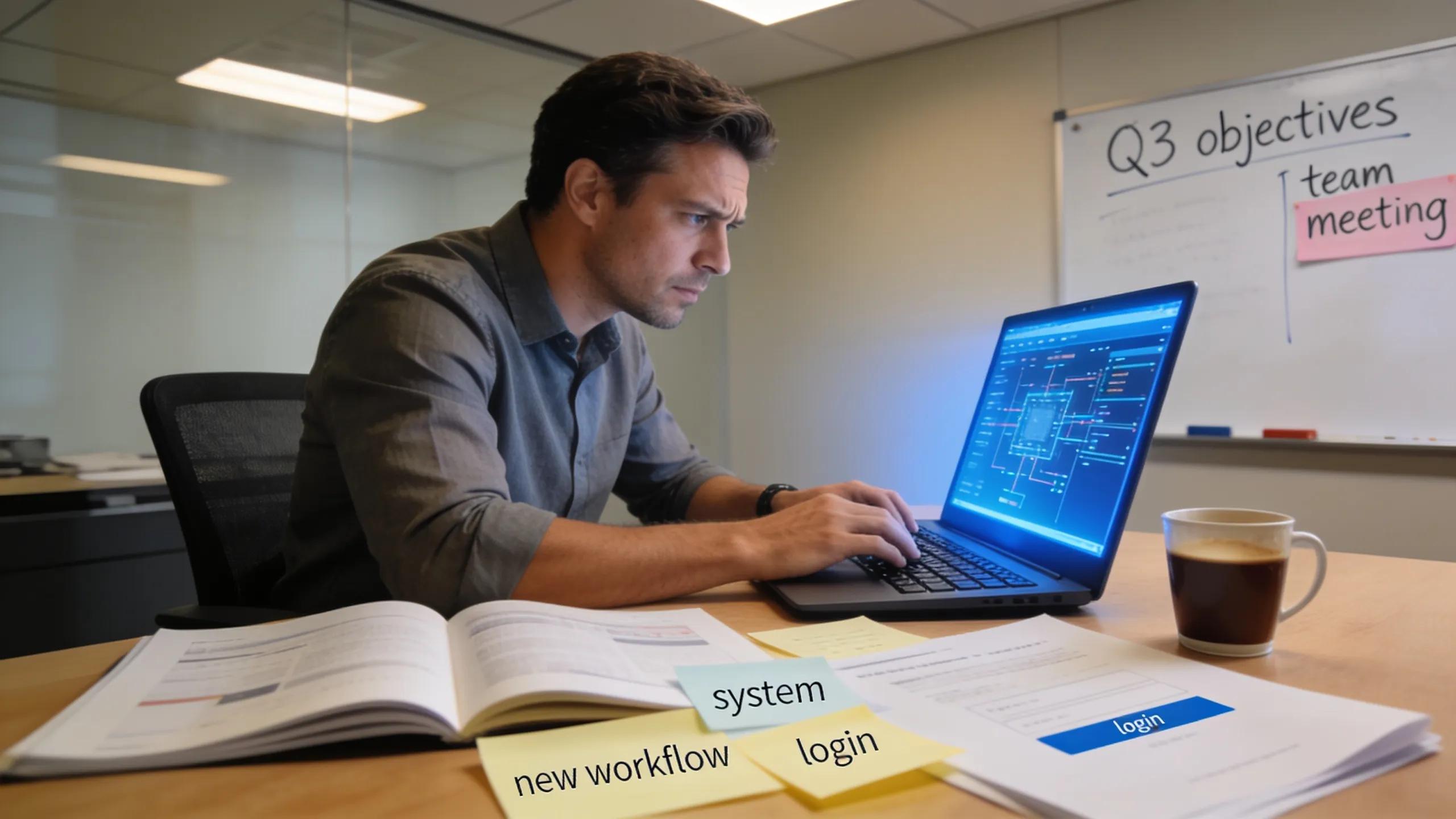
The Prevalence of Professional Self-Doubt: Understanding the Scope of Imposter Syndrome
Professional self-doubt impacts up to 70% of workers at some point, transforming a private fear into a widespread workplace reality. This statistic, emphasized in Overcoming Imposter Syndrome: Building Confidence at Work, reframes imposter syndrome as a normative challenge across various industries and roles.
Many outstanding professionals face wavering confidence despite proven qualifications, especially when confronted with new responsibilities and environments. Understanding this as a predictable pattern rather than personal weakness is fundamental to successful imposter syndrome recovery.
Is Imposter Syndrome Limited to Early-Career Professionals?
No. High-achiever anxiety reoccurs across career stages, from entry-level to executive roles. Recognizing this cycle’s recurrence is essential for lasting imposter syndrome recovery and sustained confidence at work.
Common patterns include:
Elevated doubt during transitions, such as new roles or promotions
Heightened intensity among high achievers despite proven track records
Repeated reemergence throughout a professional journey
Addressing these patterns through executive coaching helps professionals reframe self-doubt as a situational challenge and fosters confidence at work.

Triggers of Self-Doubt in Expanded Roles: A Window into Workplace Psychology
The dissonance between role demands and perceived mastery fuels imposter syndrome during career advancements. Newly acquired systems, unwritten expectations, and ambiguous processes contribute to internalized professional self-doubt and high-achiever anxiety.
Rather than validation, promotions may trigger thoughts of not belonging, a hallmark of imposter syndrome rooted in workplace psychology and internal attribution biases. This uncertainty often arises at pivotal career moments when leadership competence is most needed.
Why Does Self-Doubt Intensify After a Promotion?
Promotions often demand new skills and knowledge, steepening the learning curve. Unfamiliar tools, larger teams, and higher accountability create cognitive dissonance in professionals, causing them to question their capability despite prior evidence of success.
Typical triggers include:
Assuming control of unfamiliar processes or platforms
Managing former peers
Engaging with higher-level stakeholders
Making unprecedented decisions
Recognizing these situational triggers as growth signals rather than personal flaws is pivotal in imposter syndrome recovery, enhancing confidence at work through executive coaching interventions.
Effective Strategies for Initiating Imposter Syndrome Recovery
Imposter syndrome recovery begins by identifying and naming the pattern of professional self-doubt rather than enduring it silently. Awareness that high-achiever anxiety stems from career transitions and new challenges enables a strategic approach to overcoming imposter syndrome.
Understanding imposter syndrome as a self-esteem and internal attribution challenge, as explained by Coach Amanda Tobe, shifts focus from acquiring new skills to rebuilding intrinsic professional self-efficacy and confidence at work.
Post-Recovery: What Does Thriving at Work Look Like?
Post-recovery, professionals exhibit authentic confidence at work—not superficial self-assurance dependent on constant validation. They actively manage self-doubt by:
Recognizing specific self-doubt triggers
Engaging in reflective coaching to disentangle esteem challenges from skill gaps
Applying new behaviors in real-world professional contexts
VIP Coach in Sterling, VA, provides executive coaching tailored to facilitate these transitions, equipping clients to transform self-doubt into leadership competence and consistent confidence at work.
Daily Habits That Foster Confidence at Work and Advance Imposter Syndrome Recovery
Confidence at work is cultivated through consistent, evidence-based daily habits that enhance professional self-efficacy and facilitate cognitive reframing of self-doubt.
Newcomers and seasoned professionals alike face self-doubt when entering unfamiliar environments. Acknowledging this normal response and adopting specific habits can accelerate imposter syndrome recovery.
Why Does Unfamiliarity Elicit Self-Doubt?
New contexts introduce unwritten norms and unexplained tools, increasing cognitive load and triggering professional self-doubt. Familiarity builds competence perception, which reduces high-achiever anxiety over time.
Daily habits supporting imposter syndrome recovery include:
Documenting one achievement daily, no matter how small
Asking direct questions to clarify uncertainties
Reviewing unfamiliar systems for focused periods
Tracking progress weekly beyond output metrics
Can Immediate Strategies Mitigate Self-Doubt?
Yes. Regular, small-scale experiments in confidence-building consistently outperform passive waiting. These methods align with effective executive coaching principles, helping professionals sustain evidence-based confidence at work.
VIP Coach integrates these practical strategies into personalized plans to meet demanding workplace realities.
Recognizing When to Seek Professional Coaching Support
Seeking outside support is timely when self-doubt inhibits career progress, such as declining advancement opportunities, reticence in meetings, or chronic second-guessing. Executive coaching provides structured pathways to convert internal hesitation into leadership competence.
Lee Johnson, a Master Certified Life & Career Coach with two decades of experience, founded VIP Coach to fill this critical gap. Testimonials highlight his skill in calibrating coaching approaches to client realities and delivering measurable imposter syndrome recovery outcomes. His work often addresses professional burnout and self doubt together, since exhaustion tends to deepen the very insecurities clients are trying to move past, and his executive coaching for confidence is built to untangle the two.
Signs Professional Coaching Is Needed
Coaching becomes essential when professional self-doubt leads to tangible opportunity costs, such as stalled negotiations or unreached potential. Without targeted interventions, self-doubt often persists and compounds.
Evaluating a Coach's Suitability
Trust builds through demonstrated client success and consistency. VIP Coach's 5.00-star rating across 14 Google Reviews reflects sustained client satisfaction, bolstered by limited monthly client intake to maintain individualized attention.
Professional coaching is particularly impactful when clients experience:
Persistent self-doubt despite objective successes
Fear of visibility hindering career progression
Inconsistent confidence affecting performance
Previous failed self-help attempts
For those ready to transform professional self-doubt into confidence at work, VIP Coach offers a proven, trustworthy option.
Your Next Steps Toward Confidence at Work
Making measurable progress in overcoming imposter syndrome requires intentional action. Naming self-doubt patterns and initiating professional support prevents stagnation and accelerates confidence at work. Practical career confidence strategies, paired with the right support, help professionals overcome self doubt career advantage by turning what once felt like a limitation into genuine momentum.
VIP Coach’s Personal Transformation program was designed specifically to address imposter syndrome recovery, targeting limiting beliefs, refining mindset, and embedding habits that drive continuous professional growth.
Imposter syndrome recovery is a sustained process, evolving through deliberate practice and executive coaching guidance that converts uncertainty into demonstrated competence and workplace impact.
How to Begin the Journey
Starting the process is straightforward. Connect with VIP Coach through any of the following channels to initiate your personalized imposter syndrome recovery plan:
📞 Phone: +1 (571) 605-1484
✉️ Email: [email protected]
📅 Consultation: Book a Consultation
🌐 Website: TransformWithVIP.com
VIP Coach proudly serves clients in Sterling, VA, and the surrounding Northern Virginia region.
Availability for Prospective Clients
Coaching support is available:
Monday through Friday from 10:00 am to 5:00 pm
Saturday from 10:00 am to 1:00 pm
These hours accommodate demanding work schedules, ensuring coaching sessions complement professional commitments without conflict.
To advance your confidence at work, consider these initial actions:
Send an email detailing current challenges and objectives.
Schedule a consultation to collaboratively develop a tailored imposter syndrome recovery roadmap.
Building lasting confidence at work begins with one intentional conversation — an approachable step toward profound professional transformation.
FAQ
Is feeling like a fraud at work normal?
Yes—professionals across industries and seniority levels report the same nagging
Conclusion
In closing, overcoming imposter syndrome is not about eradicating self-doubt completely but about cultivating evidence and confidence that affirm your inherent worth and leadership competence. You now have strategic tools at your disposal: cognitive reframing to realign internal narratives, habitual documentation of achievements, mentorship engagement, and a compassionate understanding that belonging is an iterative claim, not a fixed status. Your success is intentional and deserved; you belong exactly where you are—equipped with renewed confidence at work and empowered through imposter syndrome recovery.