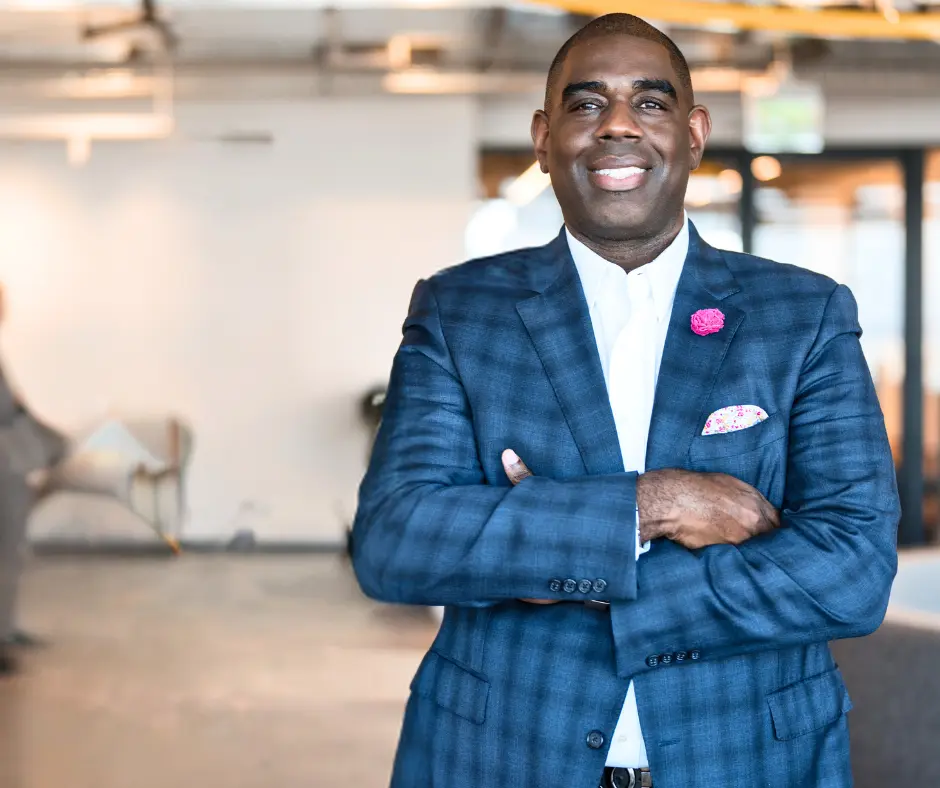
Wealth Building Insights from a Sterling VA Expert Coach

Sterling, VA Financial Independence Coach — Your Roadmap to Early Retirement and Lasting Wealth
Want financial independence but not sure where to start? A financial independence coach turns the clutter of spreadsheets and advice into a clear, personalized plan. In Sterling, VA, Transform with VIP — led by Lee Johnson — works with mid‑career professionals to create realistic roadmaps for growing wealth and retiring earlier. Below we explain what a coach does, practical strategies for early retirement, and ways to grow wealth through real estate and career moves so you can take the next right step.
What does a financial independence coach in Sterling, VA do?
A financial independence coach helps you translate goals into actions. That means assessing your current finances, defining clear targets, and building step‑by‑step plans for saving, investing, and income growth. Coaches like Lee Johnson deliver tailored advice and hold you accountable — the kind of support that keeps plans from getting shelved and turns progress into results.
How Lee Johnson helps mid‑career professionals reach financial freedom
Lee brings experience as a Certified Life Coach and Real Estate Investor to every client relationship. He meets one‑on‑one to clarify priorities, map your current financial picture, and create a practical roadmap toward your goals. Clients frequently report measurable changes — faster savings, smarter investments, and clearer decisions — after following a tailored plan and consistent coaching cadence.
Key benefits of personalized financial coaching in Sterling, VA
Personalized coaching gives you a plan built for your life, not a generic checklist. In Sterling, local market insight helps when evaluating housing, taxes, and investment opportunities. Add ongoing accountability and actionable milestones, and many clients find they make steady, meaningful progress toward independence.
How can you achieve early retirement with expert coaching?

Early retirement is achievable with a focused plan. The FIRE (Financial Independence, Retire Early) approach—saving aggressively and investing wisely—gives you a practical framework to shorten the timeline to retirement compared with traditional paths.
Research supports the core FIRE ideas: prioritizing long‑term security and designing a plan that enables earlier independence.
Understanding the FIRE Movement: Motivations for Early Retirement The FIRE movement centers on building financial security through disciplined saving and investing so people can reduce dependence on regular full‑time work and choose earlier retirement. Studies show common motivations include seeking better work‑life balance, greater freedom, stronger financial well‑being, frugal or minimalist habits, social influences, and spousal or family support.
Understanding the FIRE (Financial Independence and Early Retirement) Movement: Key Motivators and Factors Driving Its Adoption, 2025
Understanding the FIRE movement and its principles
FIRE emphasizes high savings rates (sometimes 50%+ of income), living below your means, and deploying savings into investments that produce passive income. The goal is to accumulate enough assets that you can fund your lifestyle without a full‑time paycheck. Combining income growth with disciplined saving accelerates that timeline.
Calculating your FIRE number for Sterling, VA residents
Your FIRE number is the asset total you need to cover living expenses indefinitely. A simple rule is annual expenses × 25 (based on a 4% withdrawal rate). So if you spend $40,000 a year, your target is roughly $1,000,000. Local costs and planned lifestyle changes matter, so working with a coach helps refine that number and build a savings and investment plan to reach it.
What are effective wealth‑building strategies through real estate?

Real estate is a powerful way to build wealth because it can deliver both cash flow and long‑term appreciation. Understanding how different property types and strategies fit your goals is essential to using real estate effectively.
The growing professionalization of real estate and the large capital invested in the sector underscore its role as a core wealth‑building asset class.
Real estate investment for wealth building The growing professionalization of real estate and the large amounts of capital flowing into the asset class have shaped how investors access and scale property investments. This evolution creates new opportunities — and new risks — that investors should understand.
Real estate investment and finance: Strategies, structures, decisions, D Hartzell, 2021
Real estate investing basics for financial independence in Sterling, VA
Start with the fundamentals: types of properties (single‑family, multi‑family, commercial), how properties are valued, financing options, and local market trends. In Sterling, pay attention to neighborhood rent demand, taxes, and long‑term growth prospects. A clear foundation helps you choose strategies that match your risk tolerance and timeline.
Leveraging multifamily syndications for passive income growth
Multifamily syndications let individual investors access larger deals by pooling capital with others. That can create steady passive income and diversification without the day‑to‑day work of managing individual rental units. Know how to evaluate sponsors, fees, and projected returns — and be clear on liquidity timelines and risks before committing.
How can career maximization accelerate your financial growth?
Boosting your earning power is one of the fastest ways to increase savings and investment capacity. Career moves — raises, promotions, or a side business — directly impact how quickly you can reach financial goals.
Negotiating salary and promotions to boost wealth
Negotiation is a skill that pays. Prepare by researching market salaries, documenting your achievements, and practicing clear, confident conversations. Successful negotiation can compound over years, increasing retirement savings, investments, and long‑term financial security.
Turning your passion into a thriving business for financial success
Turning a skill or interest into a business can create meaningful extra income and personal fulfillment. Start with market research, a simple business plan, and low‑cost marketing channels. Many people use a side business as a bridge to greater financial independence without quitting their primary job prematurely.
What mindset and personal growth practices support financial independence?
Numbers matter, but mindset moves them into action. The right habits and mental approach make saving and investing sustainable over the long run.
Overcoming financial self‑doubt and building confidence
Self‑doubt around money can stall progress. Build confidence by learning core concepts, setting small wins, and seeking mentorship. Techniques like positive visualization and practical education help you replace fear with a clear, repeatable process for decision‑making.
Setting and achieving goals for lasting financial freedom
Use the SMART framework (Specific, Measurable, Achievable, Relevant, Time‑bound) to create financial goals you can track. Regular check‑ins and adjustments keep goals realistic and momentum moving forward — which is where coaching adds real value.
How do Transform with VIP’s programs support your journey?
Transform with VIP offers coaching programs that meet people where they are and chart a clear path forward. Programs combine practical financial planning, real estate insight, and accountability to help you make steady progress toward independence.
Benefits of joining our WealthWorks 10x Investor Community
The WealthWork 10x Investor Community gives members curated resources, peer networking, and expert insights to sharpen investment decisions. Community learning accelerates progress — from deal analysis to shareable lessons on scaling wealth responsibly.
Exploring Alternative Investing and Beyond programs
Beyond traditional investing, our programs introduce vetted alternative strategies — from select crypto approaches to peer‑to‑peer lending and other emerging opportunities. These are presented as options to diversify a balanced portfolio, not quick shortcuts.
This table summarizes practical strategies for financial independence, what they involve, and the main benefits. Use it to compare approaches and decide where to focus next.
Financial independence combines strategy, consistent action, and the right support. By working with a coach, exploring real estate and investing options, and maximizing your career, you can create a clear plan for early retirement and lasting financial security.
Frequently Asked Questions
What qualifications should I look for in a financial independence coach?
Look for relevant certifications (for example, CFP for financial planning or Certified Life Coach for coaching skills), plus real‑world experience in investing or business. Review client results and testimonials, and choose a coach whose methods and communication style fit your goals.
How can I find a financial independence coach in Sterling, VA?
Search local coaching directories, professional associations, or financial planning firms. Ask for referrals from colleagues and friends, and set short discovery calls to compare approaches and chemistry before committing.
What is the typical cost of hiring a financial independence coach?
Fees vary by experience and services. Many coaches charge between $100 and $300 per hour, while some offer package plans or monthly subscriptions that can lower the per‑session cost. Clarify what's included so you can compare value, not just price.
How long does it typically take to achieve financial independence?
Timelines differ based on income, expenses, savings rate, and investment choices. For some people it takes a decade or more; others shorten that with aggressive saving and income growth. A coach helps set realistic milestones and a timeline tailored to your situation.
What are some common mistakes to avoid on the path to financial independence?
Common mistakes include underestimating living costs, delaying investing, overconcentrating in one asset or income stream, and letting emotions drive financial choices. A clear plan, diversification, and regular review help avoid these pitfalls.
Can financial independence be achieved without real estate investing?
Yes. Real estate is a strong tool for many, but you can reach financial independence through diversified stock investments, retirement accounts, entrepreneurship, and disciplined saving. The right mix depends on your goals and risk tolerance.
Conclusion
Expert coaching makes the journey to financial independence more practical and predictable. With tailored strategies for saving, investing, career growth, and real estate, you can move from planning to progress. Ready to take the first step? Explore our coaching programs and let us help you build a plan that fits your life.