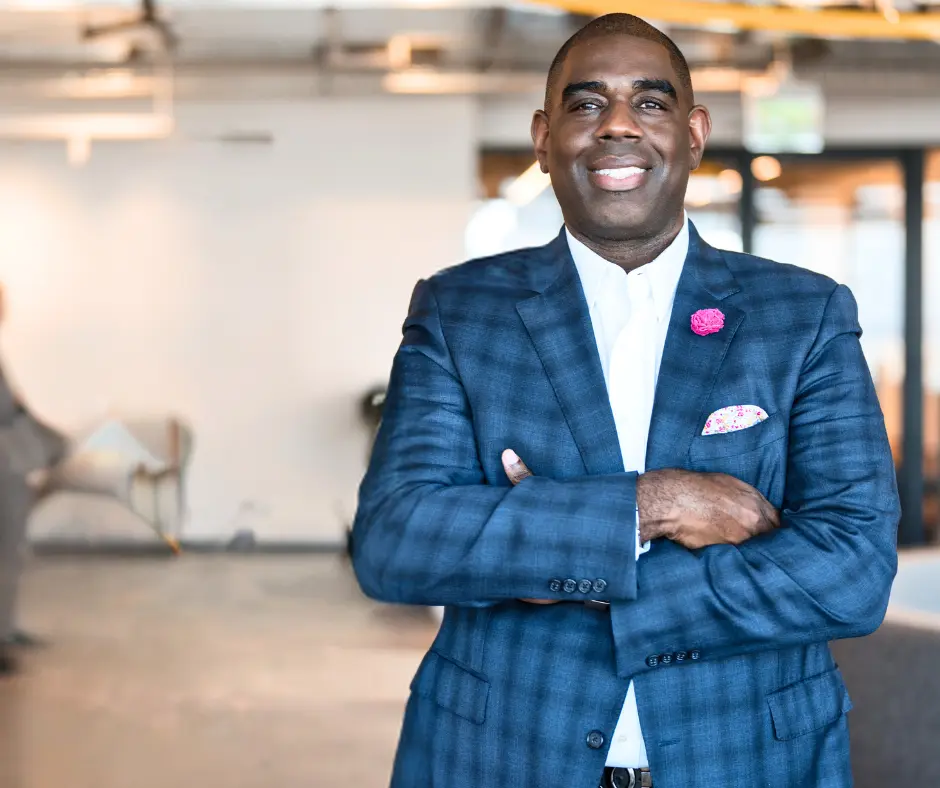
Discover the True Executive Coaching Cost and Its Value
Executive Coaching Pricing Explained: What You Should Expect to Pay and Why It's Worth It

Understanding the costs associated with executive coaching is crucial for individuals and organizations looking to invest in leadership development. Executive coaching can significantly enhance leadership skills, improve team dynamics, and drive organizational success. However, potential clients often find themselves asking, "How much does executive coaching cost?" This article will delve into the various pricing structures, factors influencing costs, and the overall value of investing in executive coaching. We will explore average fees, different coaching programs, and how to evaluate the return on investment (ROI) to help you make an informed decision.
What Are the Average Executive Coaching Fees and Session Rates?

Executive coaching fees can vary widely based on several factors, including the coach's experience, the coaching format, and the specific needs of the client. On average, individual coaching sessions can range from $200 to $500 per hour. Structured programs, which often provide a more comprehensive approach, may cost around $3,500 for a 12-week engagement. Group coaching options are also available, typically priced at $1,000 for a 12-week group executive accelerator.
How Much Does an Executive Coaching Session Typically Cost?
The cost of an executive coaching session typically falls between $200 and $500 per hour. This range reflects the varying levels of expertise and specialization among coaches. For instance, a highly experienced coach with a proven track record may charge at the higher end of this spectrum, while newer coaches may offer lower rates to attract clients.
Which Factors Influence the Cost of Leadership and Executive Coaching?
Several factors can influence the cost of executive coaching, including:
- Coach Experience: More experienced coaches often command higher fees due to their proven success and expertise.
- Coaching Format: Individual sessions may be priced differently than group coaching or structured programs.
- Session Length: Longer sessions or packages may offer discounted rates compared to single sessions.
- Location: Coaching rates can vary by region, with urban areas typically having higher fees.
The Three Primary Executive Coaching Pricing Models
Understanding the different executive coaching pricing models is essential for leaders and organizations to select the best fit for their needs and budget. The three primary models are:
Retainer-Based Coaching
Retainer-based coaching involves monthly or quarterly agreements, typically ranging from $2,000 to $10,000 per month for senior executives. This model offers ongoing access to the coach, fostering relationship continuity and accountability between sessions. It provides flexibility to address emerging challenges in real time, making it ideal for executives facing complex, evolving leadership demands. Retainer agreements often include a set number of sessions plus unlimited email or phone support, ensuring that coaching remains responsive and adaptive.
Per-Session / Hourly Coaching
Per-session or hourly coaching charges typically range from $300 to $1,000+ per hour, depending on the coach’s credentials and specialization. This model suits clients with project-specific needs, those exploring coaching for the first time, or professionals with budget constraints. It offers flexibility without long-term commitment, allowing clients to engage coaching on an as-needed basis. However, it may lack the structured progression and accountability found in program-based coaching.
Program-Based / Package Coaching
Program-based coaching consists of fixed-duration engagements—such as 3-month, 6-month, or 12-month intensives—with a defined number of sessions, assessments, and deliverables. These packages provide a structured transformation journey with clear milestones, accountability frameworks, and measurable outcomes. Programs like those offered by TransformWithVIP emphasize comprehensive leadership development, combining coaching sessions with tools such as 360-degree feedback, behavioral assessments, and personalized action plans. This model is ideal for leaders seeking deep, sustained growth and measurable impact.
What Drives Executive Coaching Costs?
Several key factors drive the variation in executive coaching fees and leadership coaching cost:
- Coach Credentials and Certifications: Coaches with advanced certifications, such as ICF Master Certified Coach status, command premium rates compared to entry-level or less credentialed coaches. Credentials signal expertise, ethical standards, and proven methodologies.
- Years of Experience and Industry Specialization: Coaches with extensive experience, especially those specializing in industries like C-suite leadership, finance, healthcare, or technology, often charge higher fees due to their nuanced understanding of sector-specific challenges.
- Geographic Location and Delivery Format: Coaching rates vary by region, with urban centers typically commanding higher fees. Additionally, in-person coaching may cost more than virtual sessions, though virtual coaching offers greater accessibility and flexibility.
- Scope and Depth of Engagement: Comprehensive engagements that include assessments, 360-degree feedback, ongoing support, and customized resources increase the overall cost but deliver greater value and impact.
- Reputation and Track Record: Coaches with a strong reputation, client testimonials, and thought leadership presence often justify higher fees based on demonstrated client outcomes and market demand.
What Types of Executive Coaching Programs Are Available and How Do Their Prices Compare?
Executive coaching programs come in various formats, each with its pricing structure. Understanding these differences can help clients choose the right program for their needs.
How Do VIP Coaching and Niche Financial Independence Coaching Differ in Cost?
VIP coaching typically involves personalized, one-on-one sessions with a highly experienced coach, often at a premium price. In contrast, niche financial independence coaching may focus on specific financial goals and strategies, potentially offering more affordable options. The choice between these programs depends on the client's objectives and budget.
What Are the Pricing Models for Corporate vs. Individual Coaching Packages?
Corporate coaching packages often differ from individual coaching in terms of pricing and structure. Corporate packages may offer bulk session rates or team coaching options, which can be more cost-effective for organizations looking to develop multiple leaders simultaneously. Individual coaching, on the other hand, is typically priced per session or as part of a structured program.
How Can You Evaluate the ROI and Value of Executive Coaching?

Evaluating the return on investment (ROI) of executive coaching involves assessing both tangible and intangible benefits. Clients should consider improvements in leadership effectiveness, team performance, and overall organizational success as key indicators of value.
The ROI of Executive Coaching: Why the Investment Pays for Itself
Executive coaching is not merely an expense; it is a high-leverage investment in human capital that yields substantial returns. According to research by the Manchester Consulting Group, executive coaching delivers an average ROI of 5.7 times the initial investment. Other studies consistently report returns ranging from 500% to 700%, underscoring the significant value of coaching investment for leaders.
The ROI of executive coaching can be understood across three critical dimensions:
Financial ROI
Effective executive coaching enhances decision-making capabilities, accelerates promotions, increases compensation potential, and improves negotiation outcomes. Stronger leadership directly impacts revenue growth and profitability by aligning teams, optimizing strategies, and driving innovation.
Organizational ROI
Coaching reduces costly employee turnover by improving engagement and retention. It fosters better team performance, cultivates a positive organizational culture, and enhances cross-functional collaboration through emotionally intelligent leadership. These improvements translate into sustained organizational success and competitive advantage.
Personal ROI
On a personal level, coaching helps executives reduce burnout, achieve better work-life integration, and gain clarity and confidence. This leads to sustainable high performance over the long term, enabling leaders to thrive both professionally and personally.
TransformWithVIP’s coaching programs, led by Coach Lee, are designed to deliver measurable transformation—not just insight—through personalized approaches like the FIRE Concept and structured accountability frameworks. This ensures that clients experience tangible improvements aligned with their leadership goals.
Individual Executive Coaching vs. Corporate Leadership Packages: Which Is Right for You?
Executive coaching is available both as an individual investment and as a corporate or enterprise program. Understanding the differences can help you choose the best option for your leadership development needs.
| Dimension | Individual Coaching | Corporate Leadership Packages |
|---|---|---|
| Who Pays | Individual (self-funded) | Organization (employer-sponsored) |
| Who It's For | Individual executives, entrepreneurs, high earners | Leadership teams, high-potential employees, C-suites |
| Customization | Highly personalized 1:1 coaching | Standardized curriculum with some personalization |
| Typical Cost | $3,000–$25,000+ per individual engagement | $50,000–$500,000+ for enterprise programs |
| Outcomes Focus | Personal transformation, career acceleration, wellbeing | Organizational performance, culture change, leadership pipeline |
| Flexibility | Fully flexible scheduling and agenda | Structured program with defined cohort timelines |
| Best For | Executives seeking deep personal growth, career transitions, or burnout recovery | Companies investing in leadership development at scale |
For executives seeking personalized, high-impact transformation, individual coaching with a specialist like Coach Lee at TransformWithVIP delivers the most direct and measurable results. Corporate coaching programs are ideal for organizations aiming to develop leadership capacity across teams and align culture with strategic goals.
How Do Executive Coaching Fees Compare to Other Coaching Types?
When comparing executive coaching fees to other coaching types, such as life coaching or transformation coaching, it's essential to consider the specific goals and outcomes desired. Executive coaching often commands higher fees due to its focus on leadership development and organizational impact.
What Are the Cost Differences Between Executive, Life, and Transformation Coaching?
Executive coaching typically costs more than life coaching or transformation coaching due to its specialized focus on leadership and business outcomes. While life coaching may range from $50 to $200 per hour, executive coaching fees can reach $500 or more, reflecting the higher stakes involved in corporate leadership.
When Is Executive Coaching the Best Investment Compared to Consulting or Mentoring?
Executive coaching is often the best investment when organizations seek to develop specific leadership skills or address performance issues. Unlike consulting, which may focus on providing solutions, coaching emphasizes personal growth and skill development. Mentoring can also be beneficial, but coaching offers a more structured approach to achieving specific goals.
How to Choose the Right Executive Coach Based on Pricing and Credentials?
Selecting the right executive coach involves evaluating both pricing and credentials. Clients should consider their specific needs, the coach's experience, and the overall value offered by the coaching program.
What Should You Look for in Coach Credentials and Qualifications?
When assessing potential coaches, clients should look for relevant credentials, such as certifications from recognized coaching organizations, advanced degrees, and a proven track record of success in leadership development.
How Can Transparent Pricing Help You Make an Informed Decision?
Transparent pricing allows clients to understand the costs associated with different coaching options, enabling them to make informed decisions based on their budget and goals. Coaches who provide clear pricing structures and detailed program descriptions can help clients feel more confident in their investment.
What Are Common Questions About Executive Coaching Pricing?
Many potential clients have questions regarding executive coaching pricing, including expected hourly rates and the overall value of coaching for leadership development.
How Much Should You Expect to Pay Per Hour for Executive Coaching?
Clients should expect to pay between $200 and $500 per hour for executive coaching, depending on the coach's experience and the specific coaching format.
Is Executive Coaching Worth the Investment for Leadership Development?
Yes, executive coaching is often considered a worthwhile investment for leadership development, as it can lead to significant improvements in leadership effectiveness and organizational performance.
How Is Executive Coaching Pricing Structured and Presented?
Coaching pricing is typically structured based on session rates, program packages, or retainer agreements. Coaches should present their pricing clearly, allowing clients to understand the costs involved.
What Are Typical Pricing Packages and Contract Terms?
Typical pricing packages may include options for individual sessions, structured programs, or corporate packages. Contract terms can vary, with some coaches offering flexible arrangements based on client needs.
How Can Structured Data and Transparent Offers Improve Pricing Clarity?
Structured data and transparent offers can enhance pricing clarity by providing potential clients with detailed information about coaching services, costs, and expected outcomes. This transparency fosters trust and helps clients make informed decisions about their coaching investments.
Considering a career change? A life coach can provide valuable guidance and support.
Many people wonder about the difference between transformation coaching and life coaching. Understanding the nuances can help you choose the right path.
To learn more about financial independence, consider exploring resources that offer tailored strategies.
For those seeking personalized guidance, meet with a coach who can provide tailored strategies.
Understanding the different approaches to professional development is essential. Explore the distinctions between VIP coaching, consulting, and mentoring to determine the best fit for your needs.
Ultimately, investing in executive coaching can lead to significant personal and professional growth.
About the Author
Lee Johnson (Coach Lee) is a Master Certified Coach and Certified Life Coach with over 20 years of progressive leadership and career experience, including more than 5 years dedicated exclusively to executive and professional coaching.
Coach Lee specializes in helping high-performing executives and mid-career professionals unlock their full potential, navigate career transitions, and build sustainable success without sacrificing their wellbeing. His areas of expertise include leadership development, executive burnout recovery, emotional intelligence, time management, and financial independence strategies — including the FIRE (Financial Independence, Retire Early) framework.
His coaching methodology is grounded in personalized, evidence-based strategies that go beyond surface-level symptom management. Through ongoing assessments, behavioral feedback loops, and actionable frameworks, Coach Lee helps clients rewire limiting beliefs, install high-performance habits, and create lasting transformation — not just temporary relief.
In addition to his coaching credentials, Coach Lee brings real-world experience as an entrepreneur and real estate investor, giving him a uniquely practical perspective on the pressures and decisions that define executive life.
Coach Lee works with executives through TransformWithVIP, his coaching platform dedicated to empowering leaders to achieve financial freedom, career fulfillment, and personal happiness — on their own terms.