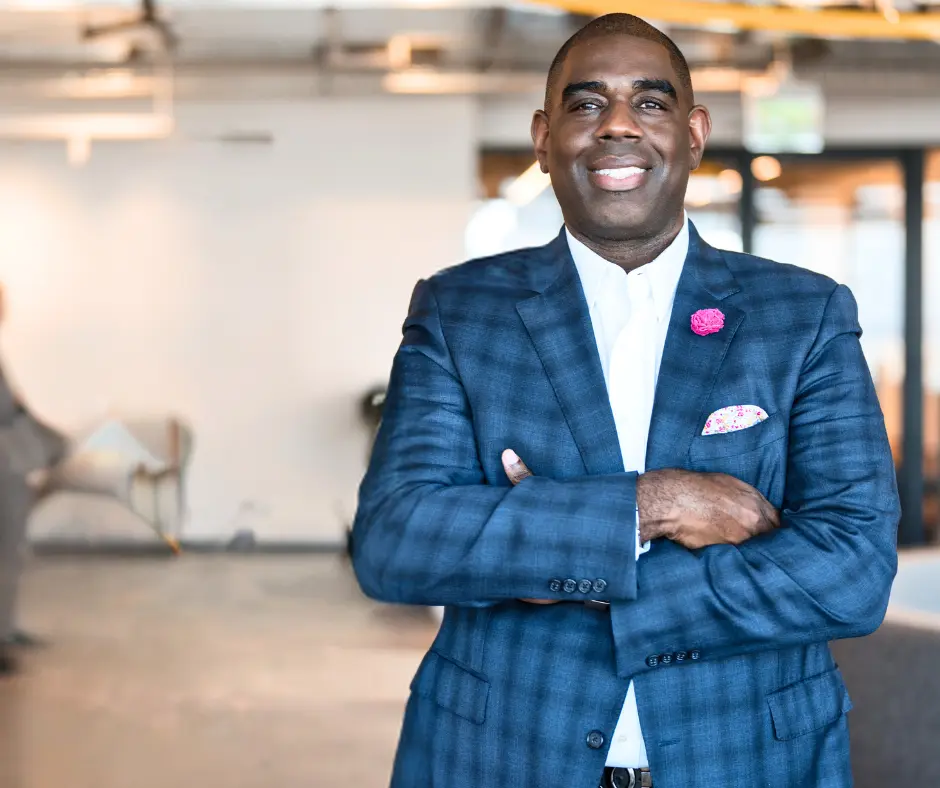
Executive Interview Coaching for Senior Roles
Senior Executive Interview Coaching: Proven Strategies for Winning Leadership Roles

By Lee Johnson, VIP Executive Coach
In today’s competitive market for senior roles, deliberate interview preparation makes the difference between progressing and being passed over. This article lays out practical, proven coaching strategies that help senior leaders sharpen their interview performance and win leadership positions. Too many executives struggle to articulate strategic value and demonstrate authentic executive presence — gaps that cost opportunities. With structured preparation and targeted coaching, you can improve clarity, influence, and outcomes. This guide covers core preparation tactics, CEO-level interview playbooks, salary negotiation approaches, and how executive coaching accelerates career growth.
Key Takeaways
- Targeted senior executive interview coaching boosts leadership success by combining strategic preparation with executive presence development.
- Deep company research and practicing behavioral answers with the STAR framework raise interview effectiveness.
- Executive presence — confident body language, clear speech, and emotional intelligence — shapes interviewer perceptions.
- CEO interviews demand a compelling vision, strategic thinking, decisive judgment, and the ability to lead teams through change.
- Strong salary outcomes come from market research, clear value articulation, and evaluating total compensation packages.
- Executive coaching offers tailored feedback, builds confidence, and helps set measurable career goals.
- Pairing interview coaching with wealth-building strategies supports long-term career and financial independence.
- Addressing limiting money beliefs and building business credit strengthens financial resilience and opportunity for executives.
How Can Senior Executives Prepare Effectively for Leadership Interviews?
Preparation is the foundation of a successful leadership interview. Senior executives should adopt a strategic approach that highlights their unique value and alignment with the organization’s objectives. Effective preparation includes researching company culture, anticipating high-impact questions, and rehearsing responses that showcase relevant accomplishments. For complementary resources, explore Life Coach for Career Change for additional perspective.
What Are Key Interview Techniques for Senior Executive Roles?

Core techniques that improve performance for senior executive interviews include:
- Research the company: Know the mission, priorities, recent moves, and board or investor dynamics so your answers connect to real organizational goals.
- Practice behavioral responses: Use the STAR format (Situation, Task, Action, Result) to tell crisp, outcome-focused stories that demonstrate impact.
- Run mock interviews: Simulated interviews with a coach or trusted peers surface gaps, refine delivery, and build confidence under pressure.
These techniques show preparation, focus, and readiness for leadership responsibilities.
How Does Executive Presence Impact Interview Outcomes?
Executive presence is a decisive factor in how interviewers assess senior candidates. It combines credibility, clarity, and composure — and it’s something you can actively cultivate. Focus areas include speaking with clarity, managing nonverbal signals, and responding to the room’s emotional dynamics.
Research underscores the need for a clear, shared definition of executive presence when evaluating leadership potential.
Defining Executive Presence for Leadership Success
To evaluate executive presence and its links to success, a necessary first step is to define clearly what executive presence entails and how it shows up in workplace outcomes.
Understanding executive presence: Perspectives of business professionals., CJ Gaskin, 2014
- Body language: Maintain steady eye contact, open gestures, and an upright posture to convey authority without stiffness.
- Articulation and clarity: Speak with purposeful brevity; choose concrete examples and avoid vague language.
- Emotional intelligence: Read the room, adapt your tone, and build rapport to create a positive connection with interviewers.
Deliberate practice in these areas helps executives leave a memorable, confident impression.
What Are Top CEO Job Interview Strategies to Secure Senior Positions?
Landing a CEO role requires far more than credentials — you must convincingly link your vision with the company’s future and show you can deliver it. A strategic interview approach demonstrates both competence and cultural fit.
How to Anticipate and Answer Common CEO Interview Questions?
Prepare to answer high-level questions such as:
- What is your vision for the company?
- How will you drive growth and innovation?
- What major challenges do you expect, and how will you address them?
Structure responses with clear context, strategic choices, and measurable outcomes — the STAR method adapted to strategy can be very effective.
Which Leadership Competencies Do Interviewers Prioritize?
Interviewers typically look for a combination of strategic insight, sound judgment, and team leadership. Emphasize examples that show these competencies in action.
Evidence shows that knowledge, emotional intelligence, and vision consistently emerge as core leadership qualities.
Leadership Competencies for Aspiring Executives: Knowledge, EQ, Vision
Across studies, aspiring and established leaders cite three central themes: subject-matter knowledge, people skills (emotional intelligence), and a clear vision. Senior leaders also emphasize organizational orientation — understanding the institution and committing to its success.
Exploring leadership competencies in established and aspiring physician leaders: an interview-based study, CA Taylor, 2008
How to Master Salary Negotiation for Senior Executives?
Negotiating compensation at the executive level is a strategic exercise that can materially affect your long-term earning and job satisfaction. Preparation, clarity on priorities, and a data-driven approach are essential.
What Are Effective Salary Negotiation Tactics for Executives?
Use these negotiation tactics:
- Research market rates: Benchmark comparable roles, sectors, and geographies so your ask is credible and well-supported.
- Articulate your value: Tie requested compensation to measurable outcomes you have delivered or will deliver.
- Consider total compensation: Evaluate bonuses, equity, benefits, and long-term incentives, not just base salary.
These tactics position you to negotiate confidently and secure a package aligned with your impact.
How Does Income Gap Analysis Support Negotiation Success?
Income gap analysis helps you identify where compensation diverges from market norms and build a persuasive case. Use it to:
- Spot market trends: Understand current compensation norms and which levers employers use to attract leaders.
- Prioritize negotiation points: Decide whether to focus on base pay, equity, bonuses, or other benefits based on your goals.
Data-backed negotiation increases credibility and the likelihood of reaching a favorable agreement.
What Is the Role of Executive Career Coaching in Leadership Advancement?
Executive career coaching is a catalyst for advancement. Coaches offer structured feedback, diagnostic insight, and practical rehearsal that help leaders bridge the gap between potential and performance.
Research confirms coaching’s effectiveness in developing leadership capabilities for senior professionals.
Executive Coaching for Leadership Skill Development
Executive coaching provides a clear rationale, a repeatable process, and practical interventions that support leadership skill development in senior professionals.
Leadership, academia, and the role of career coaching, 2020
How Does Coaching Enhance Interview Preparation and Confidence?
Coaching lifts interview readiness by:
- Providing tailored feedback: Coaches identify blind spots and suggest targeted improvements.
- Building confidence: Focused practice and positive reinforcement reduce anxiety and sharpen delivery.
- Setting goals: Clear, measurable objectives keep preparation purposeful and outcome-driven.
With coaching, executives refine their message and enter interviews with greater clarity and composure.
What Benefits Does the WealthWorks 10X Framework Offer Executives?
The WealthWorks 10X framework helps executives pursue career maximization alongside financial acceleration. It combines salary negotiation, alternative asset investing (with an emphasis on real estate), and disciplined wealth-building to target financial freedom within a defined timeframe.
How Can Wealth-Building Strategies Complement Executive Interview Coaching?
Wealth-building and interview coaching together create a holistic approach to career and financial growth. Key components include:
- Investment education: Learn asset classes and strategies so financial decisions support your career goals.
- Mindset transformation: Reframe limiting beliefs about money to make bolder, informed career moves.
- Networking opportunities: Investment and finance circles often introduce new professional connections and opportunities.
To discuss a personalized plan, consider scheduling a Meet with Coach Lee.
How Does the FIRE Concept Apply to Real Estate Investing for Executives?
The FIRE (Financial Independence, Retire Early) framework applies to executives through passive-income real estate strategies that build steady cash flow and long-term appreciation. Common approaches include:
- Rental income: Create consistent cash flow from rental properties.
- Appreciation: Capture property value growth over time.
- Tax benefits: Use tax strategies available to property investors to improve net returns.
Understanding FIRE gives executives a practical route to align investing with career objectives. Learn more about the model and real estate applications at FIRE concept.
What Passive Income Opportunities Support Financial Freedom Goals?
Passive income sources that support financial freedom include:
- Real estate investments: Direct rentals or REITs that deliver recurring income.
- Dividend stocks: Portfolios that provide steady, market-based distributions.
- Side businesses: Ventures that can scale without your daily involvement.
These options diversify income and reduce dependence on a single paycheck.
How to Overcome Money Beliefs and Build Business Credit for Career Growth?
Shifting limiting beliefs about money and building business credit are practical steps that expand opportunities and reduce financial friction as you progress in your career.
What Are Common Money Mindset Challenges for Senior Professionals?
Frequent mindset challenges include:
- Limiting beliefs: Deep-seated assumptions that limit your risk appetite or expectations for reward.
- Cognitive dissonance: Conflicting values about wealth that create hesitation when making career or investment moves.
- Fear of failure: Anxiety that prevents decisive action on high-impact opportunities.
Addressing these patterns is critical to unlocking greater financial and career outcomes.
How Can Business Credit Building Enhance Executive Financial Stability?
Strong business credit supports executive stability by:
- Improving access to capital: Easier borrowing terms for growth and investment.
- Enhancing credibility: A solid credit profile signals financial responsibility to partners and lenders.
- Supporting growth opportunities: Capital availability enables timely investments in new ventures or real estate.
Developing business credit creates a firmer foundation for career and investment moves. For an overview of approaches to professional transformation and coaching models, see Transformation vs Life Coaching.
To further support your advancement, Transform with VIP provides tailored strategies designed for senior leaders.
About The Author
Lee Johnson is a seasoned VIP Executive Coach focused on leadership development and career transformation for senior professionals. With extensive experience preparing leaders for high-stakes interviews, negotiating executive compensation, and refining personal brand, Lee helps clients build the presence and strategy needed to secure top roles and lead with impact.
Contact Information
For personalized coaching sessions with Lee Johnson, please reach out through the following channels:
- Phone: (571) 605-1484
- Email: [email protected]
- Bookings: Schedule a session with Lee Johnson
Conclusion
Mastering executive interviews raises your visibility and positions you to lead at higher levels. Focused preparation, a clear articulation of value, and refined executive presence increase your odds of landing the role you want. Combine targeted coaching with strategic financial planning to support long-term career and wealth goals. Take the next step by exploring our tailored coaching programs — invest in your future and open the door to the leadership role you’re ready to fill.