Reclaim Your Energy: Executive Burnout Recovery Strategies
Burnout Recovery for High-Performing Executives: Stress Management and Leadership Energy Renewal to Reclaim Your Edge

High-performing executives face relentless demands that can erode effectiveness, health, and clarity. This article identifies the warning signs of executive burnout, explains the common drivers, and lays out practical prevention and recovery strategies. You’ll get evidence-informed stress-management techniques, a look at how mindfulness and coaching accelerate recovery, and real-world case studies that show how leaders reclaim sustained energy and focus.
Key Takeaways
- Executive burnout shows up as persistent fatigue, short temper, and impaired decision-making that undermine leadership impact.
- Prolonged stress disrupts the HPA axis and weakens brain networks that support executive control and emotional balance.
- Heavy workloads and relentless leadership pressure are the primary triggers for burnout among high performers.
- Mindfulness, boundary-setting, and resilience training are proven, practical defenses against burnout.
- The four-phase recovery model—recognize, rest, rebuild, reintegrate—offers a clear roadmap for recovery.
- Tailored executive coaching helps leaders manage energy sustainably by addressing their specific stressors and patterns.
- Combining transformational and life coaching deepens self-awareness and supports long-term recovery and peak performance.
- An intentional energy-management cycle that balances focused work with deliberate recovery preserves performance without sacrificing health.
- Case studies show coaching improves work-life balance, decision-making, and emotional resilience for executives.
What Are the Key Signs and Symptoms of Executive Burnout?
Spotting burnout early is essential to stop decline and restore capacity. Burnout presents with a mix of physical, cognitive, and emotional changes that compromise an executive’s effectiveness and well-being. Knowing those signs lets leaders act before problems compound.
How Does Chronic Stress Manifest in High-Performing Leaders?
Chronic stress often looks like deep, persistent fatigue that blunts concentration and judgment. Executives report slower thinking, rising irritability, and a shrinking tolerance for complexity. The constant pressure to deliver creates a self-reinforcing loop of stress that, left unchecked, accelerates decline in performance and resilience.
Which Physical and Emotional Symptoms Indicate Burnout?

Common signs include ongoing exhaustion, heightened irritability, trouble concentrating, and slipping performance. Physically, leaders may experience sleep disruption, headaches, or lowered immunity. Recognizing these patterns early creates the opportunity for targeted, effective intervention.
The Neuroscience of Burnout: Understanding the Brain’s Response to Chronic Stress
Burnout has measurable physiological effects. Chronic stress dysregulates the hypothalamic-pituitary-adrenal (HPA) axis—the system that governs our stress response—leading to irregular cortisol rhythms and downstream impacts on metabolism and immune function.
At the same time, prolonged stress compromises the prefrontal cortex, the brain’s hub for planning, impulse control, and reasoned decision-making. That weakening shows up as poor focus, riskier choices, and reduced emotional regulation.
Meanwhile, the amygdala—the brain’s alarm center—becomes more reactive, amplifying anxiety and emotional reactivity. Together, these changes explain why burnout is both a psychological experience and a biological condition that benefits from targeted, multi-layered interventions.
What Are the Main Causes and Risk Factors of Burnout in Executives?
Understanding the drivers of burnout is the first step in preventing it. For high-performing leaders, the mix of heavy workload, constant accountability, and cultural expectations often creates conditions ripe for burnout.
How Do Workload and Leadership Pressure Contribute to Burnout?
Unrelenting workloads and the pressure to consistently outdeliver lead to chronic allostatic load—the wear-and-tear from repeated stress. Juggling competing priorities without adequate recovery time erodes resilience and increases the likelihood of burnout unless workload and expectations are actively managed.
What Role Do Personal and Organizational Factors Play?
Personal perfectionism and internal pressure combine with organizational dynamics—lack of psychological safety, unclear role boundaries, or limited support—to accelerate burnout. A culture that avoids conversations about stress leaves leaders isolated; open dialogue and structural supports reduce risk.
How Can High Performers Prevent Executive Burnout Effectively?
Prevention is proactive work. Executives who build routines, boundaries, and recovery practices into their schedules protect cognitive capacity and sustain performance. Small, consistent changes yield measurable gains in resilience.
What Are Proven Stress Management and Resilience Training Techniques?
Effective techniques include regular mindfulness practice, tactical boundary-setting, and structured reflection. Mindfulness—short meditations, breathwork, or focused pauses—sharpens focus and lowers reactivity. Clear boundaries around time and availability preserve recovery windows and prevent chronic overload.
A Concrete 4-Phase Burnout Recovery Framework for Executives
Use this four-phase framework to guide recovery and return to high performance:
- Recognize: Identify early warning signs with honest self-assessments and energy audits. Awareness enables timely, measured responses.
- Rest: Prioritize restorative practices—regular sleep, micro-breaks, and activities that truly replenish. Optimize sleep routines and reduce evening screen exposure.
- Rebuild: Rebuild capacity through targeted nutrition, consistent movement, cognitive reframing, and delegation. Reframe limiting beliefs and re-establish sustainable work habits.
- Reintegrate: Gradually resume full leadership duties with new routines, ongoing coaching, and safeguards to prevent relapse.
Following these phases gives leaders a practical path from depletion back to durable performance.
How Does Mindfulness and Wellness Support Leadership Energy Renewal?
Mindfulness and wellness practices restore mental clarity and emotional balance, making it easier to lead under pressure. Regular yoga, short meditations, and deliberate physical activity help reset stress responses. Building a peer or coaching community adds accountability and reinforces healthy habits.
What Coaching and Support Services Aid Burnout Recovery for Executives?

Targeted coaching and support accelerate recovery by translating insights into tailored practices. A skilled coach helps you pinpoint stress drivers, set realistic goals, and design a sustainable schedule that preserves cognitive and emotional energy.
How Does Personalized Executive Coaching Facilitate Sustainable Energy?
Personalized coaching uncovers the specific patterns that drain energy and replaces them with repeatable strategies. Coaches work alongside leaders to build emotional resilience, optimize routines, and create a sustainable rhythm that supports long-term performance.
Unlike one-size-fits-all programs, personalized coaching addresses root causes and integrates leadership energy management with mental health—so recovery is durable, not just temporary relief.
Programs such as the FIRE Concept and VIP Coaching on transformwithvip.com combine resilience coaching with transformational work to help leaders reclaim vitality while staying ambitious.
Which Energy Renewal Techniques Help Executives Reclaim Vitality Without Losing Their Edge?
Energy renewal is about structure and practice. When leaders apply consistent methods—daily rituals, strategic rest, and ongoing coaching—they maintain clarity and drive without wearing themselves down.
What Step-by-Step Methods Enhance Energy Management for Leaders?
Concrete steps include building a daily routine with short mindfulness breaks, enforcing clear boundaries around work hours, and scheduling regular coaching or accountability check-ins. These practices protect focus and sustain energy across intense work cycles.
How Can Integrating Transformational and Life Coaching Boost Recovery?
Integrating transformational and life coaching deepens self-awareness and aligns personal values with professional goals. This combined approach supports meaningful change—reshaping habits, refining priorities, and strengthening resilience for both career and life transitions.
How to Build Long-Term Sustainable Performance Without Sacrificing Ambition
Sustainable high performance pairs ambition with disciplined recovery. Instead of constant grind, adopt a performance-recovery cycle—periods of concentrated effort followed by intentional recovery—to protect long-term capacity.
This cycle replenishes physical, cognitive, and emotional reserves so leaders can sustain high output without burning out.
Key components include:
- Energy Audits: Regularly review energy patterns to spot depletion and recalibrate workload.
- Boundary Setting: Establish and protect non-negotiable recovery time.
- Work-Life Integration: Blend professional purpose with personal nourishment rather than strict separation.
- Mindful Transitions: Use short rituals to move cleanly between work and recovery states.
Adopting these practices lets executives perform at a high level over the long haul while preserving health and clarity.
The Role of Transformational Coaching in Burnout Prevention
Transformational coaching is a proactive path that identifies burnout triggers, shifts limiting beliefs, and installs healthier patterns before crises emerge. It’s a preventive investment in lasting leadership capacity.
Coach Lee’s approach on transformwithvip.com centers on executive resilience—integrating mental health strategies with energy management. Through targeted sessions, leaders build self-awareness, emotional intelligence, and reliable habits that stop burnout before it starts.
Unlike coaching that focuses only on metrics, transformational coaching addresses the whole person—mind, body, and purpose—so leaders can thrive under pressure, not merely survive it.
What Are Real-Life Case Studies Demonstrating Successful Burnout Recovery?
Case studies show how structured coaching, clear routines, and boundary work restore leaders’ performance and well-being. These stories highlight practical steps and the measurable outcomes leaders can expect.
How Have High-Performing Executives Benefited from Coaching Programs?
Executives who engage with coaching report better work-life balance, clearer priorities, faster decision-making, and greater emotional resilience—outcomes that support sustained career growth and personal fulfillment.
What Lessons Can Be Learned from Executive Wellness Success Stories?
Common lessons include the value of asking for help early, the power of community and accountability, and the effectiveness of small, consistent habit changes. Recovery is rarely a single event; it’s sustained practice and support.
What Resources and FAQs Address Common Executive Burnout Recovery Questions?
Accessible resources and clear answers help leaders take the next step. Below you’ll find pathways to coaching, courses, and reading that clarify options and next moves.
What Are the Most Asked Questions About Burnout Prevention and Recovery?
Leaders often ask how to recognize early signs, which recovery strategies deliver the most impact, and how coaching fits into a prevention plan. Clear, evidence-based answers help guide informed decisions.
How Can Executives Access Support and Further Information?
Support is available through tailored coaching, online programs, workshops, and peer groups. These options provide practical tools and accountability for meaningful change.
To explore tailored support, consider the VIP Coaching program.
For clarity on different support models, read about VIP coaching, consulting, and mentoring.
If you’re weighing a career pivot, see what to expect from a life coach for career change.
To compare approaches, explore transformation vs. life coaching.
Learn how the FIRE Concept supports executives seeking financial and lifestyle clarity.
When you’re ready, meet with Coach Lee to discuss your next steps.
About the Author
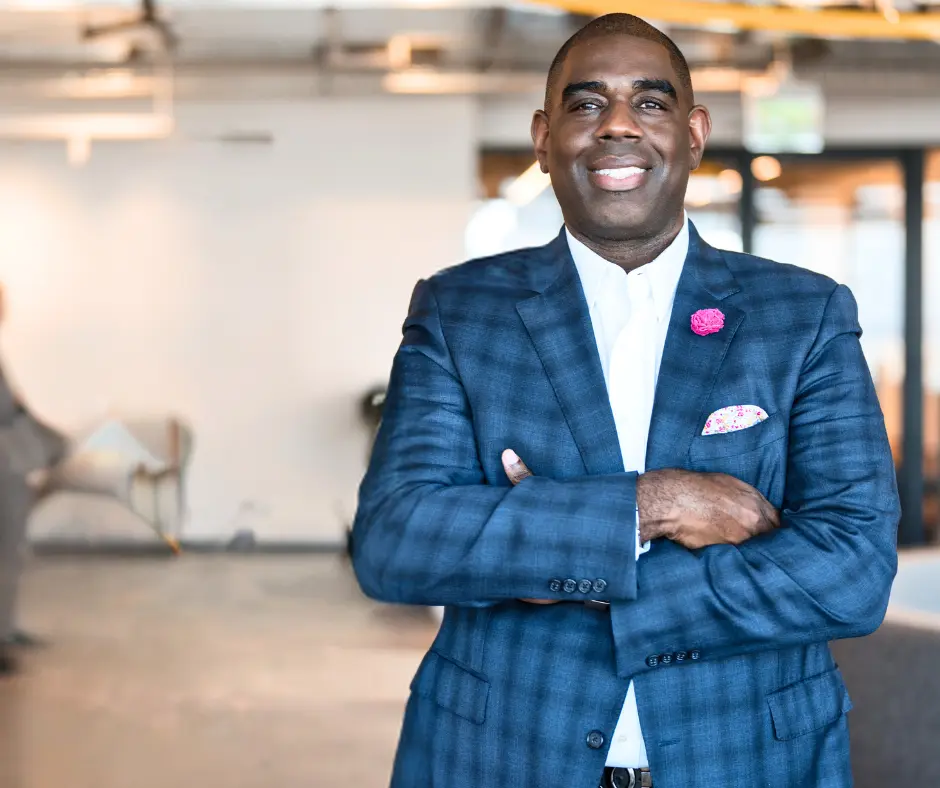
Lee Johnson (Coach Lee) is a Master Certified Professional Coach with over 20 years of leadership and career experience, and more than five years focused exclusively on executive and professional coaching.
Coach Lee helps high-performing executives and mid-career professionals unlock potential, navigate transitions, and build sustainable success without sacrificing wellbeing. His specialties include leadership development, executive burnout recovery, emotional intelligence, time management, and financial independence strategies such as the FIRE framework.
His methodology combines evidence-based tools with individualized plans that go beyond symptom relief. Through regular assessments, behavioral feedback loops, and actionable frameworks, Coach Lee helps clients shift limiting beliefs, install high-performance habits, and create lasting change.
Alongside his coaching credentials, Coach Lee brings hands-on experience as an entrepreneur and real estate investor, offering practical insight into the pressures executives face.
He works with leaders through TransformWithVIP.com, a coaching platform dedicated to helping leaders achieve financial freedom, career fulfillment, and personal wellbeing on their terms.
Conclusion
High-performing executives can recover from burnout by applying structured, proven strategies that restore resilience and energy. Recognize early signs, adopt targeted recovery practices, and consider personalized coaching to support lasting change. If you’re ready to reclaim your edge, explore our coaching programs built for leaders who want sustainable high performance without sacrificing health.
Contact VIP Coach
- Phone: (571) 605-1484
- Email: [email protected]
- Book a session: https://transformwithvip.com/meet-with-coach-lee