Work-Life Integration for High Earners: Moving Beyond the Myth of Balance
Work-Life Integration for High Earners: Executive Time Management and Stress Solutions for Sustainable Success

In today's fast-paced world, high earners often grapple with the challenge of integrating their professional and personal lives. Unlike the traditional concept of work-life balance, which suggests a strict separation between work and personal time, work-life integration emphasizes a more fluid approach. This article delves into the nuances of work-life integration, particularly for executives and high performers, exploring effective strategies for time management and stress reduction. Readers will learn about the unique challenges faced by high earners, the role of mindfulness in enhancing well-being, and how financial independence can facilitate a more harmonious integration of work and life. By addressing these critical areas, this guide aims to provide actionable insights for achieving sustainable success.
What Is Work-Life Integration and How Does It Differ from Work-Life Balance?
Work-life integration is a holistic approach that allows individuals to blend their professional and personal responsibilities seamlessly. Unlike work-life balance, which often implies a rigid division of time, integration encourages flexibility and adaptability. This approach is particularly beneficial for high earners who often face demanding schedules and high expectations. By embracing work-life integration, executives can create a more fulfilling and productive lifestyle that accommodates both their career ambitions and personal needs.
Defining Work-Life Integration for Executives and High Performers
For executives and high performers, work-life integration involves a mindset shift that prioritizes flexibility in scheduling and the ability to adapt to changing circumstances. This approach recognizes that personal and professional lives are interconnected, allowing for a more dynamic allocation of time and energy. Coaching support can play a crucial role in this transition, helping individuals develop strategies that align their goals with their daily activities. By fostering a mindset that values integration over balance, high achievers can enhance their overall well-being and productivity.
What Are the Unique Challenges High Earners Face in Achieving Work-Life Integration?
High earners often encounter specific challenges that complicate their efforts to achieve work-life integration. Lifestyle inflation can lead to increased financial pressures, making it difficult to prioritize personal time. Additionally, the pressure to perform at a high level can result in decision fatigue, where the constant need to make critical choices drains mental energy. These factors can create barriers to effective integration, making it essential for executives to develop strategies that address these unique challenges while promoting their well-being.
How Can Mindfulness and Stress Reduction Techniques Support Leaders’ Wellbeing?
Mindfulness and stress reduction techniques are vital tools for leaders seeking to enhance their well-being and improve work-life integration. By incorporating mindfulness practices into their daily routines, executives can cultivate greater awareness and emotional regulation, leading to improved decision-making and reduced stress levels. These techniques not only support personal well-being but also foster a more positive work environment, ultimately benefiting organizational culture.
Mindfulness Practices Tailored for Executives

Executives can benefit from specific mindfulness practices designed to fit their busy lifestyles. Techniques such as meditation, deep breathing exercises, and progressive muscle relaxation can be easily integrated into daily routines. For instance, a brief meditation session during lunch breaks can help clear the mind and enhance focus for the afternoon ahead. By prioritizing these practices, leaders can cultivate resilience and maintain a sense of calm amidst the demands of their roles.
Research further supports the profound impact of mindfulness on cognitive abilities crucial for leadership.
Mindfulness Meditation for Executive Function
This paper focuses on evidence for mindfulness meditation-related benefits to executive functioning, processes important for much of human volitional behaviour.
Mindfulness meditation practice and executive functioning: Breaking down the benefit, 2000
What Role Does Financial Independence Play in Facilitating Work-Life Integration?
Financial independence plays a significant role in enabling work-life integration for high earners. When individuals achieve a level of financial security, they gain the freedom to make choices that align with their personal values and priorities. This economic freedom can reduce stress levels and create opportunities for more meaningful engagement in both personal and professional spheres.
Understanding the Financial Independence, Retire Early Concept for High Earners

The Financial Independence, Retire Early (FIRE) concept is particularly relevant for high earners who seek to optimize their financial resources. By implementing aggressive saving strategies and diversifying investments, individuals can work towards achieving financial independence sooner. This approach not only provides a safety net but also empowers high earners to pursue passions and interests outside of their careers, ultimately enhancing their overall quality of life.
How Can Executives Monitor and Evolve Their Work-Life Integration Strategies Over Time?
Monitoring and evolving work-life integration strategies is essential for sustained success. Executives should regularly assess their current practices and make adjustments as needed to ensure alignment with their goals and values. This process involves self-monitoring techniques, seeking feedback from peers, and staying informed about emerging trends that may impact work-life integration.
Benefits of Coaching with Experts Like Coach Lee
Engaging with coaching experts can provide valuable insights and support for executives navigating the complexities of work-life integration. Coaches can offer personalized strategies tailored to individual needs, helping leaders identify areas for improvement and develop actionable plans. By leveraging the expertise of professionals like Coach Lee, high earners can enhance their ability to integrate work and life effectively.
Case Studies Demonstrating Coaching Impact on Executive Wellbeing
Numerous case studies illustrate the positive impact of coaching on executive well-being. For example, executives who have engaged in coaching programs report increased job satisfaction, improved stress management, and enhanced work-life integration. These outcomes highlight the importance of seeking support and guidance in navigating the challenges of high-stakes environments.
What Are Best Practices for Implementing Work-Life Integration in Executive Careers?
Implementing effective work-life integration strategies requires a multifaceted approach. Executives can benefit from combining time management techniques, mindfulness practices, and financial planning to create a comprehensive framework for success. By prioritizing these elements, leaders can foster a more balanced and fulfilling lifestyle.
Combining Time Management, Mindfulness, and Financial Planning
A successful work-life integration strategy involves the harmonious combination of time management, mindfulness, and financial planning. Executives should allocate time for both professional responsibilities and personal interests, ensuring that neither aspect is neglected. Mindfulness practices can enhance focus and productivity, while sound financial planning provides the security needed to pursue personal goals without undue stress.
Leveraging Internal Resources and Support Networks
Executives should also leverage internal resources and support networks to facilitate work-life integration. This may include seeking mentorship, participating in peer support groups, or utilizing organizational wellness programs. By tapping into these resources, leaders can create a supportive environment that fosters both personal and professional growth.
How Can Executives Monitor and Evolve Their Work-Life Integration Strategies Over Time?
To ensure ongoing success in work-life integration, executives must adopt a proactive approach to monitoring and evolving their strategies. This involves regularly assessing their current practices, seeking feedback, and staying informed about emerging trends that may impact their integration efforts. By remaining adaptable and open to change, leaders can continue to thrive in both their personal and professional lives.
Self-Monitoring Techniques
Self-monitoring techniques can help executives track their progress and identify areas for improvement. This may include journaling about daily experiences, setting specific goals, and reflecting on successes and challenges. By maintaining a clear understanding of their integration journey, leaders can make informed decisions that align with their evolving needs.
Feedback Mechanisms
Establishing feedback mechanisms is crucial for refining work-life integration strategies. Executives should seek input from colleagues, mentors, and family members to gain diverse perspectives on their practices. This feedback can provide valuable insights and help leaders identify blind spots that may hinder their integration efforts.
Adapting to Emerging Trends
Finally, executives should remain vigilant about emerging trends that may impact work-life integration. This includes staying informed about advancements in technology, shifts in workplace culture, and evolving societal expectations. By adapting to these changes, leaders can ensure that their integration strategies remain relevant and effective in a dynamic environment.
Many high earners are now exploring the Financial Independence, Retire Early (FIRE) concept as a means to achieve greater control over their time and resources. This approach involves aggressive saving and investment strategies to build a substantial financial cushion, allowing individuals to retire earlier than traditional retirement age. By prioritizing financial independence, high earners can create more opportunities for pursuing passions, spending time with loved ones, and engaging in activities that bring them joy and fulfillment.
For those seeking guidance on navigating career transitions, a life coach for career change can provide valuable support and insights. These professionals offer personalized strategies and tools to help individuals identify their strengths, explore new career paths, and develop a plan for achieving their professional goals. Whether you're considering a complete career overhaul or simply seeking to enhance your current role, a life coach can help you navigate the complexities of the job market and make informed decisions about your future.
Understanding the difference between transformation vs. life coaching can also be beneficial. While life coaching focuses on setting and achieving specific goals, transformation coaching delves deeper into personal growth and self-discovery. Transformation coaching helps individuals identify and overcome limiting beliefs, develop a stronger sense of self-awareness, and create lasting positive change in their lives. By understanding the nuances of these coaching approaches, you can choose the one that best aligns with your individual needs and aspirations.
Ultimately, achieving work-life integration requires a holistic approach that addresses both professional and personal aspects of your life. By prioritizing mindfulness, financial planning, and career development, you can create a more balanced and fulfilling lifestyle that aligns with your values and goals. Consider exploring VIP coaching to gain personalized guidance and support on your journey towards work-life integration.
About the Author
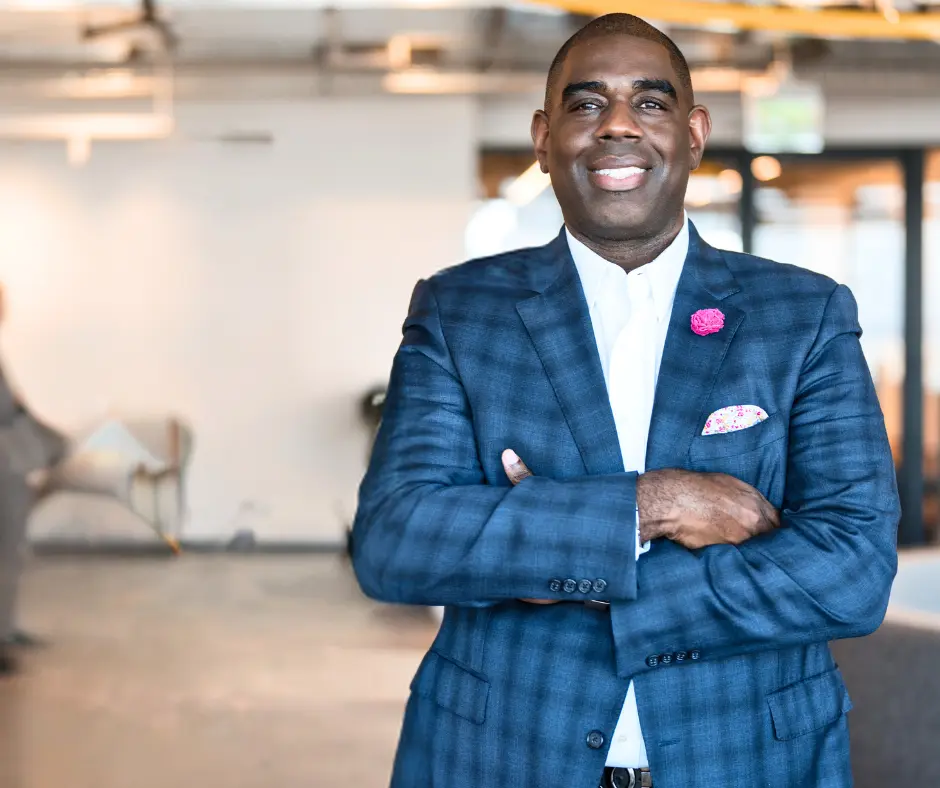
Lee Johnson (Coach Lee) is a Master Certified Professional Coach and Certified Life Coach with over 20 years of progressive leadership and career experience, including more than 5 years dedicated exclusively to executive and professional coaching.
Coach Lee specializes in helping high-performing executives and mid-career professionals unlock their full potential, navigate career transitions, and build sustainable success without sacrificing their wellbeing. His areas of expertise include leadership development, executive burnout recovery, emotional intelligence, time management, and financial independence strategies — including the FIRE (Financial Independence, Retire Early) framework.
His coaching methodology is grounded in personalized, evidence-based strategies that go beyond surface-level symptom management. Through ongoing assessments, behavioral feedback loops, and actionable frameworks, Coach Lee helps clients rewire limiting beliefs, install high-performance habits, and create lasting transformation — not just temporary relief.
In addition to his coaching credentials, Coach Lee brings real-world experience as an entrepreneur and real estate investor, giving him a uniquely practical perspective on the pressures and decisions that define executive life.
Coach Lee works with executives through TransformWithVIP, his coaching platform dedicated to empowering leaders to achieve financial freedom, career fulfillment, and personal happiness — on their own terms.